
In the fast-evolving landscape of e-commerce, businesses are constantly seeking innovative ways to enhance customer experience, streamline operations, and boost sales. One technology that has been making significant strides in achieving these goals is Artificial Intelligence (AI). In this article, we will delve into the diverse use cases of AI in e-commerce, with a particular focus on AI for e-commerce and the indispensable AI tools that are transforming the industry.
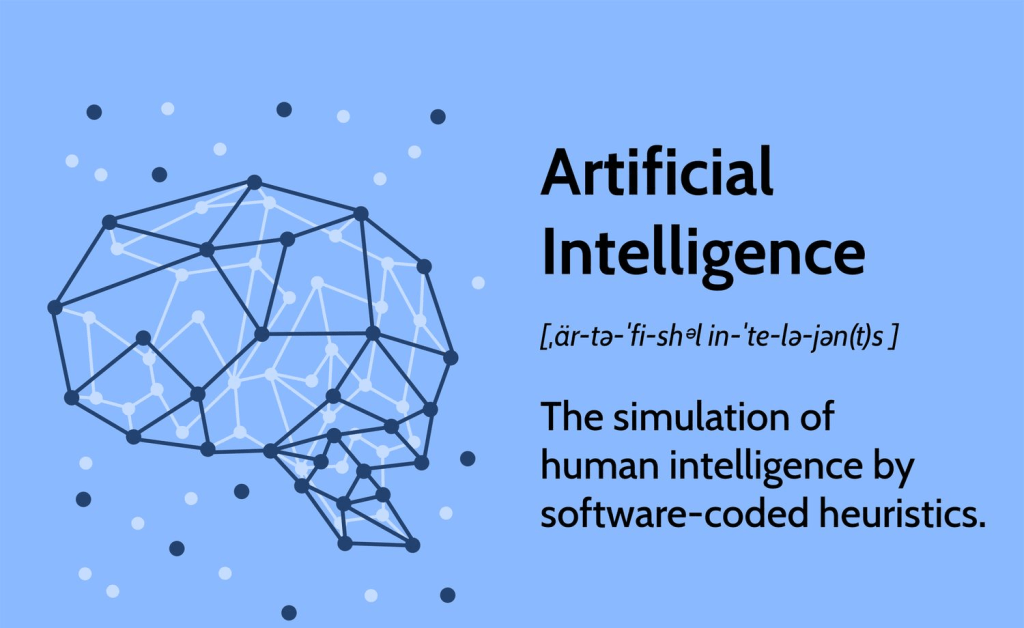
Apart from various AI use cases and applications, how well AI handles e-commerce is discussed below.
AI for E-commerce: Revolutionizing Customer Experiences
1. Personalized Shopping Experiences
One of the most powerful applications of AI for e-commerce is its ability to create personalized shopping experiences for customers. AI algorithms analyze user behavior, preferences, and past purchases to recommend products tailored to individual interests. This not only enhances user satisfaction but also significantly increases the likelihood of conversion.
2. Chatbots for Customer Service
AI-driven chatbots have become essential tools for providing real-time customer support. These intelligent bots can handle routine queries, assist in product selection, and even process transactions. By automating these tasks, businesses can ensure 24/7 customer service, improving response times and overall customer satisfaction.
3. Predictive Analytics for Inventory Management
AI-powered predictive analytics enable e-commerce businesses to optimize their inventory management processes. By analyzing historical data, market trends, and seasonal variations, AI can accurately predict demand, helping businesses maintain optimal stock levels, reduce excess inventory, and minimize stockouts.
4. Dynamic Pricing Strategies
AI algorithms can analyze various factors such as competitor prices, market demand, and consumer behavior to dynamically adjust pricing in real-time. This enables e-commerce businesses to remain competitive, maximize profits, and respond swiftly to market fluctuations.
AI Tools for E-commerce: Driving Innovation and Efficiency
1. Image Recognition and Visual Search
AI-powered image recognition technology allows customers to search for products using images rather than keywords. This enhances the shopping experience by making it more intuitive and user-friendly. E-commerce giants have successfully implemented visual search to help users find products effortlessly.
2. Virtual Try-On and Augmented Reality (AR)
AI tools for e-commerce, incorporate augmented reality and allow customers to virtually try on products before making a purchase. This is particularly impactful in the fashion and beauty industries, where customers can visualize how clothing or cosmetics will look on them, improving the accuracy of their buying decisions.
3. Fraud Detection and Security
E-commerce businesses face constant threats from fraudulent activities. AI tools equipped with advanced machine learning algorithms can analyze transaction patterns, detect anomalies, and flag potentially fraudulent activities in real-time. This ensures a secure online shopping environment for both businesses and customers.
4. Customer Sentiment Analysis
Understanding customer sentiment is crucial for e-commerce businesses looking to enhance their products and services continually. AI tools can analyze customer reviews, social media mentions, and feedback to provide valuable insights into consumer preferences and opinions, helping businesses make data-driven decisions.
Overcoming Challenges and Embracing the Future
While AI presents immense opportunities for e-commerce, businesses must navigate challenges such as data privacy concerns, ethical considerations, and the need for continuous adaptation to evolving technologies. By addressing these challenges head-on, e-commerce enterprises can harness the full potential of AI and stay at the forefront of innovation.
In conclusion, the use cases of AI in e-commerce are vast and transformative. From personalized shopping experiences to advanced fraud detection, AI is reshaping the way businesses operate and interact with customers. As technology continues to evolve, it is imperative for e-commerce businesses to embrace AI tools and strategies to remain competitive in an ever-changing marketplace. The future of e-commerce is undeniably intertwined with the capabilities of artificial intelligence, and those who leverage these technologies effectively will undoubtedly lead the way in the digital commerce landscape.
 TechnoAI
Leave a comment