
In the ever-evolving landscape of technology, the integration of Artificial Intelligence (AI) with networking has brought about a paradigm shift, transforming the way we perceive and manage connectivity. This article explores the key distinctions between AI in networking and traditional networking, shedding light on how AI’s intelligence sets it apart in terms of efficiency, adaptability, and overall network performance.
The Foundation of Traditional Networking
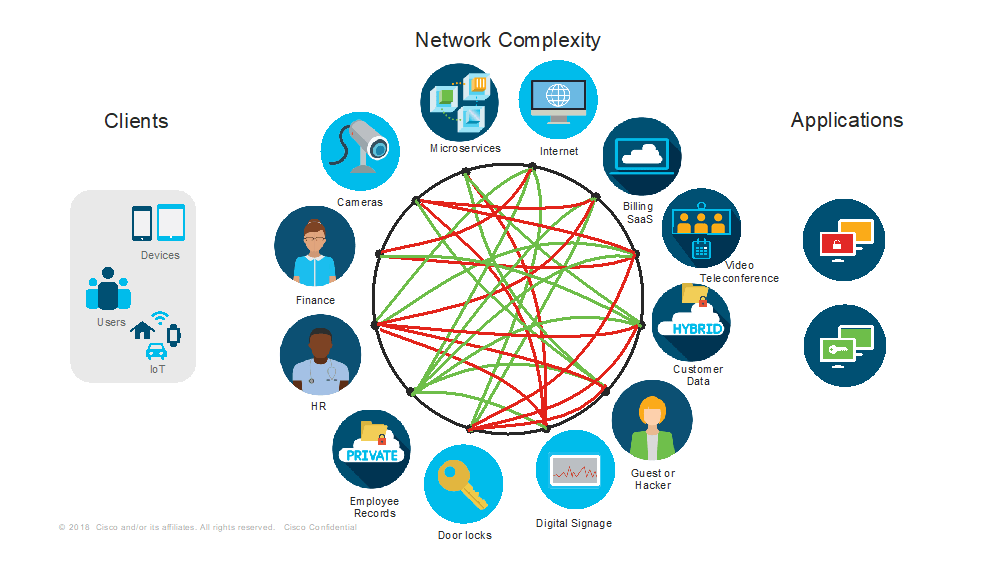
Traditional networking relies on predefined rules and static configurations to manage network operations. This conventional approach involves manual intervention for tasks such as configuration, optimization, and troubleshooting. While it has been the backbone of connectivity for decades, traditional networking has its limitations in adapting to the dynamic demands of today’s digital landscape.
The Intelligent Evolution: AI in Networking
Dynamic Adaptability
One of the fundamental differences lies in the adaptability of AI in networking compared to its traditional counterpart. Traditional networking operates on fixed rules and configurations, whereas AI-driven networks can dynamically adapt to changing conditions. Through machine learning algorithms, AI can analyze real-time data, identify patterns, and adjust network configurations in response to evolving demands.
Automated Network Management
AI in networking introduces automated network management, reducing the reliance on manual intervention. Traditional networking often involves time-consuming tasks for IT professionals, such as configuring devices, monitoring performance, and troubleshooting issues. With AI, these routine tasks are automated, allowing IT teams to focus on more strategic initiatives and innovation.
Predictive Analysis for Proactive Solutions
Predictive analysis is a hallmark feature that distinguishes AI in networking from traditional methods. AI leverages historical data and real-time analytics to predict potential issues before they escalate. This proactive approach to problem-solving minimizes downtime, enhances reliability, and contributes to a more stable network infrastructure. Traditional networking, on the other hand, typically addresses issues reactively.
Enhanced Security Measures
Security is a paramount concern in networking, and AI introduces a new level of intelligence to safeguard networks. AI-driven security systems can analyze network traffic patterns, detect anomalies, and identify potential security breaches in real-time. The ability to learn from historical data enables these systems to adapt to new threats, providing a proactive defense against cyber attacks. Traditional networking often relies on static security measures that may not be as adept at identifying and responding to evolving threats.
Specific Differences: AI in Networking Features
Intelligent Automation
Traditional Networking
- Manual configuration and management.
- Time-consuming tasks for IT professionals.
- Limited adaptability to changing conditions.
AI in Networking
- Automated network management.
- Dynamic adaptability to evolving demands.
- Machine learning algorithms for intelligent decision-making.
Predictive Analysis
Traditional Networking
- Reactive approach to addressing issues.
- Reliance on post-incident troubleshooting.
- Limited ability to forecast potential problems.
AI in Networking
- Proactive problem-solving through predictive analysis.
- Real-time analytics for identifying patterns.
- Minimization of downtime and improved network reliability.
Enhanced Security Measures
Traditional Networking
- Reliance on static security measures.
- Reactive response to security threats.
- Limited adaptability to evolving cyber threats.
AI in Networking
- AI-driven security systems for real-time threat detection.
- Proactive defense against cyber attacks.
- Adaptability to new and evolving security threats.
The Future of Networking: Integrating AI
As we compare AI in networking with traditional networking, it becomes evident that AI’s intelligence brings a transformative edge to connectivity. The future of networking lies in the seamless integration of AI, unlocking a realm of possibilities for more efficient, adaptive, and secure networks.
Improved Efficiency
AI-driven networks operate with enhanced efficiency, automating routine tasks and adapting to changing conditions in real-time. This not only accelerates network processes but also contributes to improved overall efficiency, allowing organizations to keep pace with the demands of the digital era.
Adaptive Network Infrastructure
The adaptability of AI in networking ensures that network infrastructure can evolve alongside technological advancements. As new devices, applications, and services emerge, AI can seamlessly integrate these elements into the network, creating an adaptive infrastructure that aligns with the dynamic nature of the digital landscape.
Proactive Problem Resolution
The predictive analysis capabilities of AI enable networks to move from reactive problem resolution to a proactive stance. By forecasting potential issues and addressing them before they escalate, AI contributes to a more stable and reliable network environment. This proactive approach minimizes disruptions and enhances user experience.
Future-Proof Security
The future of networking demands a security framework that can adapt to the ever-changing threat landscape. AI-driven security measures offer a future-proof solution by continuously learning and evolving to counter new and sophisticated cyber threats. This adaptability is crucial in maintaining the integrity and confidentiality of data in an interconnected world.
Conclusion
In conclusion, the integration of AI in networking represents a revolutionary departure from traditional networking methods. The dynamic adaptability, automated network management, predictive analysis, and enhanced security measures introduced by AI set it apart as a transformative force. As organizations navigate the digital landscape, embracing the intelligence of AI in networking is not just a technological advancement but a strategic imperative for those seeking efficiency, adaptability, and security in the interconnected world of today and tomorrow. The future of networking with presence of AI development services company is intelligent, and AI is leading the way towards a more connected, adaptive, and secure digital era.
 TechnoAI
Leave a comment