
Introduction
As the procurement landscape evolves, organizations are increasingly turning to Artificial Intelligence (AI) to enhance efficiency, make informed decisions, and drive strategic value. AI for procurement is not merely a technological trend but a transformative force that can revolutionize traditional practices. This article explores best practices for implementing AI in procurement, highlighting key considerations, challenges, and strategies to harness the full potential of these technological advancements.
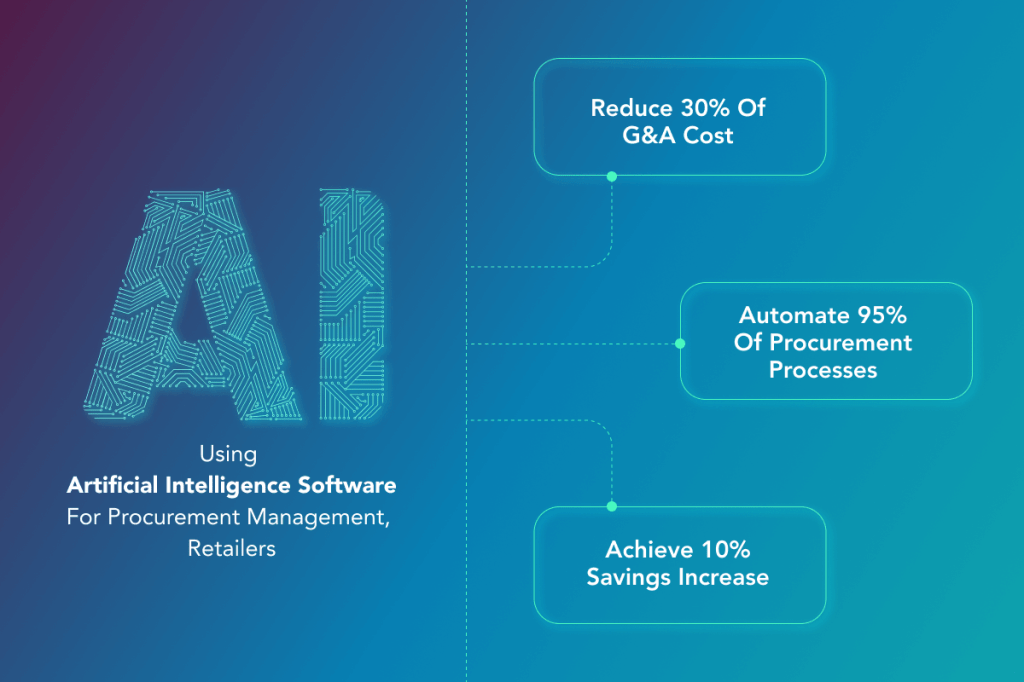
Best Practices for AI Implementation in Procurement
1. Clearly Define Objectives and Goals
Before embarking on the journey of implementing AI for procurement, it is crucial to clearly define objectives and goals. Identify specific pain points within your procurement processes that AI can address. Whether it’s optimizing supplier management, enhancing spend analytics, or streamlining contract management, having well-defined objectives sets the foundation for a successful AI implementation.
2. Understand Your Data
The success of AI for procurement hinges on the quality and quantity of data available. Understand the nature of your data – its sources, formats, and reliability. AI algorithms thrive on diverse and well-organized datasets. Clean and relevant data ensures accurate predictions, better decision-making, and overall effectiveness of AI applications in procurement.
3. Invest in Data Quality Management
Maintaining high-quality data is paramount for the success of AI for procurement. Implement data quality management practices to ensure data accuracy, completeness, and consistency. Regularly audit and clean your data, and establish data governance protocols to maintain data integrity. This investment ensures that AI algorithms are working with reliable information, leading to more accurate insights.
4. Choose the Right AI Technologies
The realm of AI in procurement encompasses various technologies, including machine learning, natural language processing, and robotic process automation. Assess your specific needs and choose the right mix of AI technologies to address your objectives. For example, machine learning can be applied for predictive analytics, while robotic process automation can automate repetitive manual tasks.
5. Collaborate with Cross-Functional Teams
AI implementation in procurement is not solely an IT initiative; it requires collaboration across various departments. Involve procurement professionals, data scientists, IT specialists, and key stakeholders in the decision-making process. Cross-functional collaboration ensures that the implementation aligns with organizational goals, addresses user needs, and fosters a holistic approach to AI adoption.
6. Ensure Integration with Existing Systems
Seamless integration with existing procurement systems is essential for the success of AI implementation. Evaluate how AI technologies will work with your current software, ensuring minimal disruption to ongoing operations. Collaborate with IT departments to establish robust integration strategies that facilitate the smooth functioning of AI applications within the existing procurement infrastructure.
7. Prioritize Change Management and User Training
The introduction of AI for procurement may encounter resistance from employees accustomed to traditional processes. Implement effective change management strategies to communicate the benefits of AI adoption, address concerns, and create a positive environment for the transition. Additionally, invest in user training programs to ensure that procurement teams are equipped with the skills needed to leverage AI technologies effectively.
8. Address Ethical Considerations and Bias
As AI systems make decisions based on historical data, there is a risk of perpetuating biases present in that data. Proactively address ethical considerations related to bias, transparency, and fairness. Implement measures to mitigate biases, regularly audit AI algorithms, and ensure that ethical AI practices are ingrained in the procurement processes.
9. Start with Pilot Projects
Embarking on AI implementation with smaller, well-defined pilot projects allows organizations to test the waters before full-scale adoption. Choose specific areas within procurement where AI can provide immediate value, implement pilots, and evaluate their success. This iterative approach allows organizations to learn, adapt, and refine their AI strategies based on real-world experiences.
10. Measure and Monitor Performance
Establish key performance indicators (KPIs) to measure the impact of AI in procurement. Track metrics such as cost savings, process efficiency improvements, and user satisfaction. Regularly monitor AI system performance, analyze results, and iterate based on insights gained. This data-driven approach ensures that AI applications continually align with organizational objectives and deliver tangible value.
Challenges in AI Implementation for Procurement
While the benefits of AI in procurement are substantial, organizations may encounter challenges during the implementation process. Identifying and addressing these challenges is crucial for a successful AI adoption journey.
1. Data Quality and Integration Challenges
Poor data quality and integration issues can impede the effectiveness of AI applications. Inconsistent or incomplete data can lead to inaccurate insights, while integration challenges with existing systems may result in disruptions. Robust data quality management practices and strategic integration planning are essential to overcome these challenges.
2. Resistance to Change
Resistance to change is a common challenge when introducing AI in procurement. Employees may be apprehensive about adopting new technologies, fearing job displacement or unfamiliarity with AI systems. Effective change management strategies, including communication, education, and involvement in decision-making, can help address and overcome resistance.
3. Ethical Concerns and Bias
AI systems, when trained on biased data, can perpetuate and amplify existing biases. Ensuring ethical AI practices, addressing bias, and promoting transparency are crucial considerations. Organizations must prioritize ethical considerations to build trust among stakeholders and mitigate the risks associated with biased decision-making.
4. Lack of Skills and Expertise
Implementing AI in procurement requires skills and expertise in data science, AI technologies, and system integration. Many organizations may face a skills gap within their existing workforce. Investing in training programs, hiring skilled professionals, or collaborating with external experts can help bridge the gap and ensure the successful implementation of AI.
5. Data Security and Privacy Concerns
The use of AI involves handling sensitive procurement data, raising concerns about security and privacy. Organizations must implement robust cybersecurity measures, comply with data protection regulations, and establish protocols for secure data handling. Prioritizing data security and privacy is essential to build trust and maintain compliance.
6. Cost Considerations
While the long-term benefits of AI in procurement are significant, the initial costs of implementation can be a barrier for some organizations. Careful cost-benefit analysis, strategic budget allocation, and a focus on achievable short-term goals can help organizations navigate and justify the costs associated with AI adoption.
Conclusion
AI in procurement represents a transformative journey for organizations seeking to enhance efficiency, strategic decision-making, and overall procurement effectiveness. By following best practices, addressing challenges, and prioritizing ethical considerations, organizations can harness the full potential of AI technologies. From clearly defining objectives to prioritizing change management, each step contributes to a successful and sustainable integration of AI in procurement processes.
As technology continues to advance, the future of AI in procurement holds exciting possibilities. Continuous learning, adaptation to emerging trends, and a commitment to ethical AI practices will position organizations to thrive in an increasingly data-driven and technologically advanced procurement landscape. The journey towards unlocking the benefits of AI in procurement requires a strategic mindset, collaboration across functions, and a commitment to driving innovation in procurement practices.
 TechnoAI
Leave a comment