
Introduction
The metaverse, once a concept relegated to science fiction, is rapidly becoming a tangible reality. As technological advancements continue to break barriers, metaverse development solutions are at the forefront, shaping the landscape of our digital future. In this exploration, we delve into the current state of metaverse development solutions, the challenges they face, and the exciting possibilities that await as we chart the course toward an immersive and interconnected digital realm.
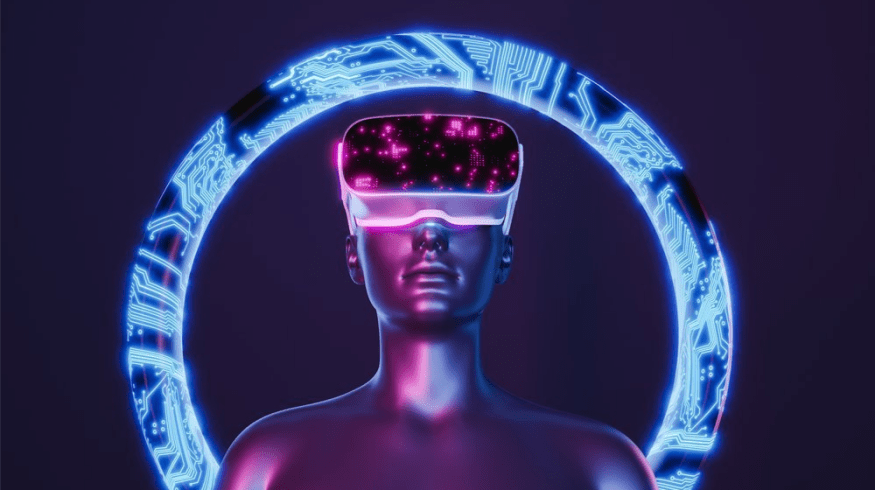
1. Current State of Metaverse Development Solutions
1.1 Foundations of the Metaverse
Metaverse development solutions are rooted in a combination of technologies, including virtual reality (VR), augmented reality (AR), blockchain, and artificial intelligence (AI). These technologies converge to create virtual spaces where users can interact with each other and digital environments, blurring the lines between the physical and digital worlds.
1.2 Diverse Applications and Industries
Metaverse development solutions are not confined to a specific industry; instead, they span a myriad of applications. From virtual gaming and social interactions to education, business collaboration, healthcare simulations, and beyond, the metaverse serves as a versatile canvas for innovation.
2. Challenges in Metaverse Development Solutions
2.1 Interoperability and Standardization
2.1.1 Fragmented Virtual Realms
One of the current challenges in metaverse development is the fragmentation of virtual realms. Different platforms and applications operate in silos, limiting the seamless flow of data and experiences between them. Interoperability and standardization efforts are crucial to create a cohesive metaverse experience.
2.1.2 Establishing Industry Standards
The absence of universally accepted standards poses challenges for developers. Establishing common protocols and standards for data exchange, security, and user interactions is essential to foster a more interconnected and accessible metaverse.
2.2 User Experience and Accessibility
2.2.1 Hardware Limitations
The quality of the user experience in the metaverse is often tied to the hardware used. High-end VR headsets, for example, may pose barriers to entry for some users. Overcoming hardware limitations and ensuring accessibility across a broad range of devices are key challenges.
2.2.2 Inclusive Design Practices
Metaverse development solutions must adopt inclusive design practices to cater to diverse user demographics. Considerations for users with disabilities, different cultural backgrounds, and varying levels of technical proficiency are essential to create an inclusive metaverse.
2.3 Security and Privacy Concerns
2.3.1 Protecting Digital Assets
With the integration of blockchain technology, protecting digital assets within the metaverse becomes paramount. Security measures must be robust to prevent unauthorized access, fraud, and theft of virtual possessions.
2.3.2 User Data Privacy
As users engage in virtual interactions, concerns about data privacy emerge. Metaverse development solutions need to prioritize secure data handling practices, user consent mechanisms, and compliance with data protection regulations.
2.4 Economic Models and Virtual Economies
2.4.1 Ensuring Fairness and Transparency
Virtual economies within the metaverse raise questions about fairness and transparency. Developers must implement measures to ensure fair distribution of virtual wealth, prevent exploitation, and maintain a balanced economic ecosystem.
2.4.2 Sustainability of Virtual Economies
The sustainability of virtual economies is a concern as they expand. Balancing inflation, scarcity of virtual assets, and creating mechanisms for a stable and sustainable virtual economy require careful consideration.
3. Technological Advancements in Metaverse Development Solutions
3.1 Enhancements in Virtual Reality (VR) and Augmented Reality (AR)
3.1.1 Immersive Visuals and Realism
Advancements in VR and AR technologies are poised to deliver more immersive visuals and heightened realism. Improved graphics, spatial computing, and enhanced sensory experiences will contribute to a more authentic sense of presence within the metaverse.
3.1.2 Haptic Feedback and Sensory Integration
Future metaverse development solutions may explore advanced haptic feedback systems and sensory integration. Touch, smell, and taste simulations could further enhance the immersive nature of virtual experiences.
3.2 Blockchain Innovations
3.2.1 Scalability and Efficiency
Blockchain technology is likely to witness advancements in scalability and efficiency. Solutions such as sharding and layer-two protocols may address current limitations, enabling faster and more scalable virtual transactions within the metaverse.
3.2.2 Smart Contracts Evolution
Smart contracts, integral to virtual economies, may evolve to become more sophisticated. This evolution could involve self-executing contracts with increased automation and complex conditional logic, enhancing the functionality of virtual transactions.
3.3 Artificial Intelligence (AI) Integration
3.3.1 Realistic NPC Interactions
Future metaverse development solutions may leverage AI to create more realistic non-playable characters (NPCs). These entities could exhibit more complex behaviors, adapting dynamically to user interactions and contributing to a more immersive environment.
3.3.2 Personalized User Experiences
AI algorithms will likely play a significant role in tailoring personalized user experiences within the metaverse. From content recommendations to adaptive virtual environments, AI-driven personalization will enhance user engagement.
4. The Evolution of Metaverse Development Solutions: Possibilities and Opportunities
4.1 Cross-Platform Integration and Interconnected Metaverses
4.1.1 Seamless Cross-Platform Experiences
The future of metaverse development solutions envisions seamless cross-platform experiences. Users should be able to transition between different virtual environments effortlessly, fostering a more interconnected metaverse.
4.1.2 Interoperable Virtual Realms
Efforts to establish interoperable standards will likely lead to the creation of interconnected virtual realms. Users can move fluidly between different metaverse platforms, bringing their avatars, possessions, and experiences with them.
4.2 User-Generated Content and Collaborative Development
4.2.1 Empowering User Creativity
Future metaverse development solutions may empower users to create and contribute to virtual worlds actively. User-generated content, ranging from virtual assets to entire environments, could become a driving force in shaping the metaverse.
4.2.2 Collaborative Development Platforms
Collaborative development platforms within the metaverse could facilitate collective creation. Developers, designers, and users may collaborate in real-time, shaping the evolution of virtual spaces through shared creativity.
4.3 Integration with Emerging Technologies
4.3.1 Internet of Things (IoT) Integration
Metaverse development solutions may explore integration with the Internet of Things (IoT). This could lead to a convergence of the physical and virtual worlds, where IoT devices influence and respond to virtual environments within the metaverse.
4.3.2 Extended Reality (XR) Convergence
The convergence of extended reality (XR), combining VR, AR, and mixed reality, could result in more versatile and adaptable metaverse experiences. Seamless transitions between virtual and augmented realities could redefine user interactions.
5. The Metaverse as a Business Ecosystem
5.1 Revolutionizing Communication and Collaboration
5.1.1 Virtual Workspaces
Metaverse development solutions are poised to revolutionize the way businesses communicate and collaborate. Virtual workspaces, equipped with immersive meeting environments and collaborative tools, could redefine remote work and professional interactions.
5.1.2 Global Business Presence
Businesses may establish a global virtual presence within the metaverse. Virtual offices, storefronts, and conference spaces could transcend geographical boundaries, opening new avenues for international collaboration and market expansion.
5.2 Innovative Marketing and Brand Engagement
5.2.1 Immersive Brand Experiences
Metaverse development solutions offer innovative avenues for marketing and brand engagement. Immersive brand experiences, interactive product launches, and virtual storefronts could redefine how businesses connect with their audiences.
5.2.2 Branded Virtual Events
Branded virtual events within the metaverse could become a staple of marketing strategies. Companies may host virtual conferences, product unveilings, and brand-sponsored experiences to engage consumers in novel and memorable ways.
5.3 New Revenue Streams and Digital Economies
5.3.1 Virtual Asset Marketplaces
The creation of virtual asset marketplaces, powered by blockchain, could lead to new revenue streams. Digital goods, virtual real estate, and in-game assets could be bought, sold, and traded within a thriving digital economy.
5.3.2 Monetization through Virtual Services
Businesses may explore monetization through virtual services. From virtual consultations and training programs to personalized virtual experiences, the metaverse could offer diverse avenues for generating revenue.
6. Navigating Ethical Considerations in Metaverse Development Solutions
6.1 User Privacy and Consent
6.1.1 Transparent Data Practices
To address ethical concerns, metaverse development solutions must prioritize transparent data practices. Users should have clear information about how their data is collected, used, and shared within virtual environments.
6.1.2 Informed Consent Mechanisms
Implementing robust informed consent mechanisms is essential. Users should have the ability to control the sharing of their data and make informed decisions about their virtual interactions.
6.2 Digital Inclusion and Accessibility
6.2.1 Ensuring Accessibility for All
As the metaverse evolves, it is imperative to ensure digital inclusion. Metaverse development solutions should prioritize accessibility features, making virtual experiences available to users with diverse abilities and backgrounds.
6.2.2 Addressing Technological Disparities
Efforts to bridge technological disparities must be central to ethical considerations. Metaverse development solutions should strive to minimize the digital divide and create opportunities for broader participation.
6.3 Fairness in Virtual Economies
6.3.1 Preventing Exploitation
Developers must implement measures to prevent exploitation within virtual economies. Fair distribution of virtual wealth, anti-cheating mechanisms, and transparent economic models contribute to ethical metaverse development.
6.3.2 Balancing Real-World Impact
Ethical considerations extend to the real-world impact of virtual actions. Metaverse development solutions should strive to balance virtual interactions with real-world consequences, fostering a sense of responsibility within the digital realm.
7. Anticipating Regulatory Landscape and Governance
7.1 Regulatory Frameworks for Virtual Transactions
7.1.1 Blockchain and Virtual Assets Regulation
As virtual transactions become more prevalent, regulatory frameworks for blockchain and virtual assets are likely to emerge. Governments may establish guidelines to ensure the legality and security of digital transactions within the metaverse.
7.1.2 Data Protection and Privacy Regulations
Stringent data protection and privacy regulations will likely shape the governance of metaverse development solutions. Compliance with international standards and local regulations will be crucial for developers and businesses operating within the metaverse.
7.2 Decentralized Governance Models
7.2.1 Blockchain-Based Governance Systems
Blockchain technology can facilitate decentralized governance within the metaverse. Smart contracts and blockchain-based governance models may enable community-driven decision-making processes, ensuring a more democratic and inclusive metaverse.
7.2.2 Community Involvement in Governance
Governance structures should involve the metaverse community. Inclusive decision-making processes, feedback mechanisms, and community representation in governance bodies can contribute to a more user-centric and responsive metaverse.
8. The Role of Metaverse Development Companies in Shaping the Future
8.1 Innovations in Virtual Reality (VR) and Augmented Reality (AR)
8.1.1 Pushing the Boundaries of Immersion
Metaverse development companies will play a crucial role in pushing the boundaries of immersion. Advancements in VR and AR technologies will be driven by companies committed to creating more realistic, visually stunning, and sensorily rich virtual experiences.
8.1.2 Spatial Computing and Interactive Environments
Spatial computing, enabled by metaverse development solutions, will redefine interactive environments. Companies at the forefront of spatial computing innovations will shape how users navigate and interact within virtual spaces.
8.2 Blockchain Integration for Secure Virtual Economies
8.2.1 Pioneering Blockchain Innovations
Metaverse development companies pioneering blockchain innovations will influence the security and functionality of virtual economies. Companies at the forefront of scalable and efficient blockchain solutions will contribute to the stability and growth of the metaverse.
8.2.2 Decentralized Finance (DeFi) in the Metaverse
As decentralized finance (DeFi) concepts extend into the metaverse, development companies will explore opportunities for integrating blockchain-based financial services. This evolution could lead to new forms of virtual banking, lending, and investment within the metaverse.
8.3 Artificial Intelligence (AI) for Dynamic Virtual Environments
8.3.1 Advancements in AI-Driven Interactions
Metaverse development companies focusing on advancements in AI-driven interactions will shape the dynamic nature of virtual environments. Realistic NPC behaviors, personalized experiences, and adaptive content generation will be influenced by companies at the forefront of AI integration.
8.3.2 User-Centric AI Personalization
User-centric AI personalization will be a key area of focus for metaverse development companies. Creating AI algorithms that understand and respond to individual user preferences, behaviors, and interactions will enhance the overall user experience.
9. Collaboration and Competition: Industry Dynamics in Metaverse Development
9.1 Intercompany Collaboration for Interoperability
9.1.1 Open Standards Initiatives
Metaverse development companies may engage in open standards initiatives to foster interoperability. Collaborative efforts to establish common protocols and standards will benefit the entire metaverse ecosystem.
9.1.2 Cross-Platform Partnerships
Cross-platform partnerships between metaverse development companies can lead to more interconnected virtual experiences. Shared ecosystems and interoperable platforms will enable users to seamlessly navigate between different virtual realms.
9.2 Competition Driving Innovation
9.2.1 Innovative Gameplay Experiences
Competition among metaverse development companies will drive innovation in gameplay experiences. Companies vying for user attention will continuously push the boundaries of creativity, resulting in diverse and compelling virtual worlds.
9.2.2 Technological Advancements as Competitive Edge
Technological advancements will be a crucial competitive edge. Metaverse development companies investing in cutting-edge technologies, whether in VR/AR, blockchain, or AI, will position themselves as leaders in the evolving metaverse landscape.
10. The Societal Impact of the Metaverse: Opportunities and Challenges
10.1 Educational Transformations
10.1.1 Immersive Learning Environments
The metaverse offers opportunities for immersive learning environments. Metaverse development solutions can revolutionize education by creating virtual classrooms, interactive simulations, and collaborative learning experiences.
10.1.2 Global Access to Education
Metaverse development companies contributing to global access to education will have a profound societal impact. Virtual educational experiences can transcend geographical barriers, providing learners around the world with access to diverse educational resources.
10.2 Social Connectivity and Mental Well-Being
10.2.1 Virtual Social Spaces
Metaverse development solutions can address societal challenges related to social connectivity. Virtual social spaces offer opportunities for people to connect, socialize, and combat feelings of isolation, contributing to improved mental well-being.
10.2.2 Ethical Considerations in Social Interactions
Companies in the metaverse development space must navigate ethical considerations in social interactions. Implementing mechanisms to prevent harassment, ensuring inclusive environments, and promoting positive social behaviors will be critical.
10.3 Economic Transformations and Job Opportunities
10.3.1 Digital Economies and Entrepreneurship
The metaverse presents new economic opportunities. Metaverse development companies fostering digital economies and entrepreneurship within virtual realms can contribute to job creation and economic transformations.
10.3.2 Skill Development for the Digital Era
Metaverse development solutions can play a role in skill development for the digital era. Educational experiences within the metaverse can equip individuals with skills relevant to virtual environments, creating a workforce prepared for the future.
Conclusion
In conclusion, the future of metaverse development solutions holds unprecedented possibilities and challenges. As technology continues to advance, the metaverse is poised to become an integral part of our digital existence, transforming industries, shaping economies, and redefining how we connect and interact. Metaverse development companies, with their innovative solutions and commitment to ethical practices, will play a pivotal role in navigating this dynamic and evolving digital frontier.
As we anticipate the future of the metaverse, it is essential to approach its development with a strategic and ethical mindset. Balancing technological advancements with inclusivity, accessibility, and societal well-being will ensure that the metaverse becomes a force for positive change. The journey ahead is both exciting and complex, but with careful consideration and collaboration, the metaverse holds the potential to redefine the way we experience and engage with the digital world.
 TechnoAI
Leave a comment