
As the manufacturing industry continues to evolve in the digital age, Artificial Intelligence (AI) is poised to play an increasingly pivotal role in shaping the future of manufacturing companies. This comprehensive guide explores the transformative potential, emerging trends, and key considerations for the future of AI for manufacturing companies, highlighting its capacity to unlock innovation, efficiency, and competitiveness in the years to come.
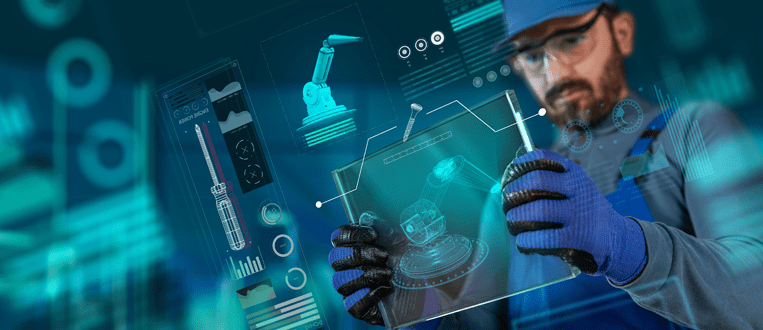
Understanding the Future of AI for Manufacturing Companies
The Evolution of AI in Manufacturing
AI technologies have already made significant inroads in the manufacturing industry, revolutionizing processes such as predictive maintenance, quality control, supply chain optimization, and demand forecasting. Looking ahead, AI for manufacturing companies is expected to become even more pervasive, with broader adoption and deeper integration across manufacturing operations.
Key Drivers of AI Adoption in Manufacturing
Several factors are driving the increased adoption of AI in manufacturing, including advances in AI algorithms and technologies, the proliferation of data from connected devices and sensors (Internet of Things), and the growing demand for automation, optimization, and agility in manufacturing processes.
Emerging Trends in AI for manufacturing companies
AI-Powered Robotics and Automation
AI-powered robots and automated systems are becoming increasingly prevalent in manufacturing, performing tasks such as assembly, material handling, and inspection with greater precision, efficiency, and flexibility than traditional automated systems.
Edge Computing and AI at the Edge
Edge computing technologies enable AI algorithms to run directly on devices at the edge of the network, such as sensors and manufacturing equipment, allowing for real-time data analysis, decision-making, and response without relying on centralized cloud infrastructure.
Explainable AI and Trustworthiness
Explainable AI techniques are gaining importance in manufacturing, enabling AI systems to provide transparent explanations of their decisions and recommendations, fostering trust, accountability, and regulatory compliance in critical applications such as quality control and safety.
Key Considerations for the Future of AI in Manufacturing Companies
Data Governance and Management
Effective data governance and management practices are essential for harnessing the full potential of AI in manufacturing. Companies must ensure data quality, integrity, and security throughout the data lifecycle, from collection and storage to analysis and decision-making.
Talent Development and Skills Training
Investing in talent development and skills training programs is critical for building internal capabilities and expertise in AI, data science, and related technologies. Manufacturers must cultivate a workforce with the necessary technical skills and domain knowledge to drive AI initiatives forward.
Ethical and Responsible AI Practices
Adopting ethical and responsible AI practices is paramount for ensuring the responsible use of AI technologies in manufacturing. Companies must prioritize fairness, transparency, accountability, and privacy in AI-driven decision-making processes and applications.
Future Opportunities and Challenges for AI in Manufacturing Companies
Opportunities
- Predictive Maintenance and Asset Optimization: AI-driven predictive maintenance solutions can help manufacturers optimize equipment performance, minimize downtime, and extend asset lifespans.
- Supply Chain Optimization: AI-powered supply chain optimization solutions can enable manufacturers to optimize inventory management, production scheduling, and logistics operations for greater efficiency and agility.
- Personalized Manufacturing: AI technologies can enable mass customization and personalized manufacturing, allowing manufacturers to tailor products and services to individual customer preferences and requirements.
Challenges
- Data Quality and Availability: Ensuring access to high-quality, relevant data remains a challenge for many manufacturing companies, requiring investments in data governance, management, and infrastructure.
- Talent Shortage: The shortage of skilled professionals with expertise in AI, data science, and related technologies continues to hinder AI adoption and implementation efforts in manufacturing.
- Security and Privacy Concerns: Protecting sensitive information and ensuring cybersecurity remain critical challenges for manufacturing companies deploying AI solutions, requiring robust security measures and privacy controls.
Conclusion: Embracing the Future of AI in Manufacturing Companies
In conclusion, the future of AI for manufacturing companies holds immense promise for unlocking innovation, efficiency, and competitiveness in the digital age. By embracing emerging trends, addressing key considerations, and seizing opportunities while navigating challenges, manufacturers can harness the transformative power of AI to drive continuous improvement and achieve sustainable growth. With a strategic and forward-thinking approach to AI adoption and implementation, manufacturing companies can position themselves for success in an increasingly AI-driven world.
 TechnoAI
Leave a comment