
In today’s digital age, artificial intelligence (AI) has become a driving force behind innovation, revolutionizing various industries and transforming the way we interact with technology. One area where AI is making a significant impact is in the realm of mobile applications. AI app development is a rapidly evolving field that combines the power of AI algorithms with mobile technology to create intelligent and innovative applications. In this comprehensive guide, we’ll delve into the world of AI app development, exploring what it is, how it works, and its implications for the future of mobile technology.
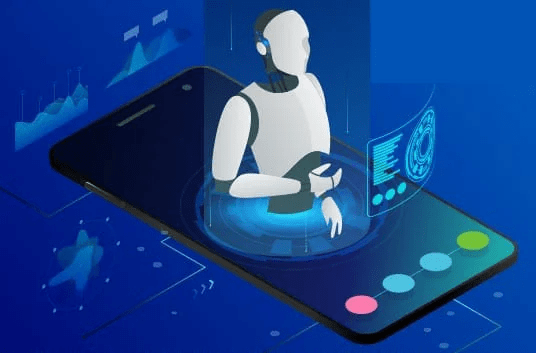
Exploring the Basics of AI App Development
What is AI App Development?
AI app development refers to the process of designing, creating, and deploying mobile applications that leverage artificial intelligence technologies to enhance functionality, improve user experiences, and provide intelligent capabilities. These applications utilize AI algorithms and techniques such as machine learning, natural language processing, computer vision, and predictive analytics to perform tasks that traditionally require human intelligence.
Understanding AI Technologies
Before delving into AI app development, it’s essential to understand the underlying technologies that power these applications:
Machine Learning (ML)
ML algorithms enable applications to learn from data, identify patterns, and make predictions or decisions without explicit programming. This technology is commonly used for tasks such as image recognition, language translation, and recommendation systems.
Natural Language Processing (NLP)
NLP allows applications to understand and interpret human language, enabling features such as speech recognition, sentiment analysis, and chatbots.
Computer Vision
Computer vision algorithms enable applications to analyze and interpret visual information from images or videos, enabling features such as object recognition, facial recognition, and augmented reality.
The Process of AI App Development
1. Ideation and Planning
The first step in AI app development is to define the objectives of the application and identify the AI features and functionalities it will incorporate. This stage involves brainstorming ideas, conducting market research, and creating a comprehensive plan for the development process.
2. Data Collection and Preparation
AI applications rely on large volumes of data to train machine learning models and improve performance. During this stage, developers gather and preprocess relevant data from various sources, ensuring it is clean, labeled, and ready for analysis.
3. Model Development and Training
Developers design and implement machine learning models tailored to the specific requirements of the application. This involves selecting the appropriate algorithms, training the models using the collected data, and fine-tuning them to optimize performance and accuracy.
4. Integration and Deployment
Once the models are trained and validated, they are integrated into the mobile application framework. This stage involves coding the AI algorithms into the application, testing for compatibility and performance, and deploying the application to production environments.
The Implications of AI App Development
Enhancing User Experiences
AI-powered mobile applications offer personalized and intuitive experiences to users, allowing them to interact with technology in more natural and efficient ways. Features such as voice recognition, predictive text input, and personalized recommendations enhance usability and satisfaction.
Driving Innovation and Differentiation
AI app development enables companies to differentiate themselves in the crowded mobile app marketplace by offering innovative and cutting-edge solutions. By leveraging AI technologies, developers can create unique and intelligent applications that stand out from the competition and address unmet user needs.
Challenges and Considerations in AI App Development
Data Privacy and Security
AI app development raises concerns about data privacy and security, as applications often require access to sensitive user data to deliver personalized experiences. Developers must implement robust security measures to protect user privacy and prevent unauthorized access or misuse of data.
Ethical and Regulatory Compliance
The use of AI in mobile applications raises ethical and regulatory considerations surrounding issues such as algorithmic bias, fairness, transparency, and accountability. Developers must adhere to ethical guidelines and regulatory frameworks to ensure the responsible and ethical use of AI technologies.
The Future of AI App Development
Continued Advancements in AI Technologies
As AI technologies continue to evolve and mature, we can expect to see continued advancements in AI app development, with applications becoming more intelligent, adaptive, and context-aware.
Integration with Emerging Technologies
AI app development will increasingly intersect with other emerging technologies such as augmented reality (AR), virtual reality (VR), and the Internet of Things (IoT), enabling new and innovative applications that enhance connectivity and immersive experiences.
Conclusion
AI app development represents a transformative shift in the mobile app landscape, offering endless possibilities for innovation, differentiation, and growth. By harnessing the power of AI technologies, developers can create intelligent and personalized applications that redefine user experiences and drive business success. As the field of AI app development continues to evolve, companies that embrace AI will be well-positioned to lead the way in shaping the future of mobile technology.
 TechnoAI
Leave a comment