
Machine Learning (ML) model engineering is a multidisciplinary field that combines expertise in data science, software engineering, and domain knowledge to design, develop, and deploy ML models. In this comprehensive guide, we will delve into the tools and techniques involved in ML model engineering, providing insights into the software frameworks, libraries, and methodologies that power the development of robust and scalable ML solutions.
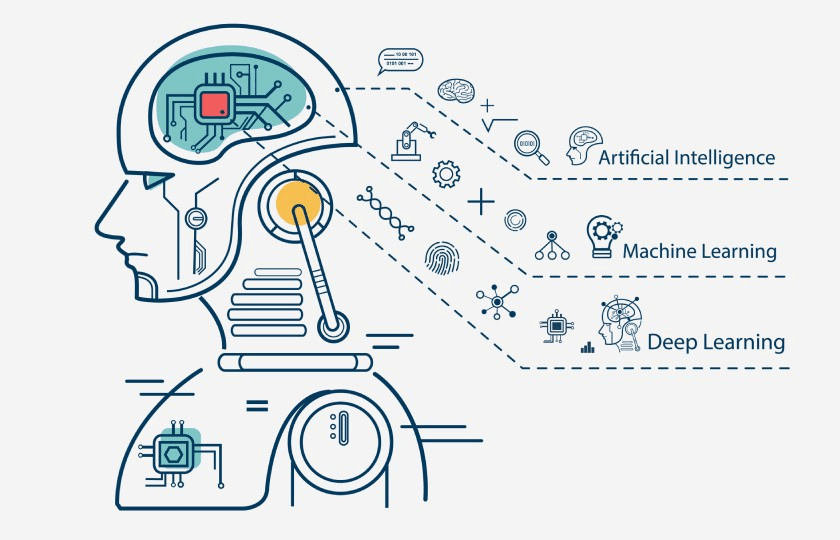
Understanding ML Model Engineering
Before we explore the tools and techniques, let’s establish a foundational understanding of ML model engineering.
1. Introduction to ML Model Engineering
ML model engineering involves the end-to-end process of building ML models, from data collection and preprocessing to model training, evaluation, deployment, and monitoring. It requires expertise in mathematics, statistics, programming, and domain-specific knowledge to create effective ML solutions that address real-world problems.
2. Key Components of ML Model Engineering
- Data Collection and Preparation: Gathering, cleaning, and preprocessing data to create high-quality datasets for model training.
- Feature Engineering: Selecting, transforming, and extracting meaningful features from raw data to improve model performance.
- Model Development: Choosing appropriate algorithms, architectures, and techniques to build ML models that accurately capture patterns in the data.
- Model Evaluation and Validation: Assessing the performance of ML models using metrics such as accuracy, precision, recall, F1 score, and area under the curve (AUC).
- Model Deployment: Integrating trained models into production environments to make real-time predictions or decisions.
- Monitoring and Maintenance: Continuously monitoring model performance, retraining models as needed, and updating them to adapt to changing business requirements.
Now, let’s explore the tools and techniques used in each stage of the ML model engineering process.
Tools and Techniques in ML Model Engineering
1. Data Collection and Preparation
- Pandas: A powerful Python library for data manipulation and analysis, widely used for cleaning and preprocessing structured data.
- NumPy: A fundamental package for scientific computing with Python, used for numerical operations and array manipulation.
- Scikit-learn: A popular Python library for machine learning, offering tools for data preprocessing, feature extraction, and transformation.
2. Feature Engineering
- Scikit-learn: Provides various preprocessing techniques such as scaling, normalization, and encoding for feature engineering.
- Featuretools: An open-source Python library for automated feature engineering, enabling the creation of complex features from raw data.
- TensorFlow Transform: Part of the TensorFlow ecosystem, it allows for feature engineering at scale using TensorFlow Extended (TFX).
3. Model Development
- TensorFlow: An open-source ML framework developed by Google, widely used for building deep learning models and neural networks.
- PyTorch: An open-source ML library developed by Facebook, known for its dynamic computational graph and ease of use in building deep learning models.
- Scikit-learn: Offers a wide range of machine learning algorithms and models for classification, regression, clustering, and dimensionality reduction.
4. Model Evaluation and Validation
- Scikit-learn: Provides functions for model evaluation, including cross-validation, hyperparameter tuning, and performance metrics calculation.
- TensorBoard: A visualization tool for TensorFlow, used to monitor and visualize various aspects of model training and evaluation.
- MLflow: An open-source platform for managing the ML lifecycle, including experiment tracking, model packaging, and deployment.
5. Model Deployment
- TensorFlow Serving: A flexible, high-performance serving system for deploying ML models in production environments, developed by Google.
- TorchServe: A model serving library for PyTorch models, enabling scalable and efficient deployment of ML models.
- Docker: Containerization platform used for packaging ML models and their dependencies into portable containers for deployment.
6. Monitoring and Maintenance
- Prometheus: An open-source monitoring and alerting toolkit used for monitoring ML model performance and health metrics.
- Grafana: A visualization tool used in conjunction with Prometheus for creating dashboards and visualizing ML model metrics.
- Kubeflow: An open-source ML platform built on Kubernetes, providing tools for end-to-end ML workflows, including model monitoring and retraining.
Conclusion
In conclusion, ML model engineering relies on a diverse set of tools and techniques to design, develop, deploy, and maintain ML models. From data collection and preprocessing to model development, evaluation, deployment, and monitoring, each stage of the ML model lifecycle involves a variety of software frameworks, libraries, and methodologies. By leveraging the right tools and techniques, ML engineers can build robust, scalable, and efficient ML solutions that address complex real-world challenges across industries. As the field of ML continues to evolve, it is essential for practitioners to stay updated with the latest tools and techniques to drive innovation and success in ML model engineering.
 TechnoAI
Leave a comment