
The intersection of artificial intelligence (AI) and the fashion industry has sparked a wave of innovation, transforming the way brands design, produce, market, and sell their products. In this in-depth exploration, we’ll dissect the latest trends shaping AI’s role in fashion, shedding light on how these advancements are reshaping the industry landscape.
Unveiling the Recent Trends in AI for Fashion
1. Introduction to AI in Fashion
AI in fashion industry has become an indispensable tool for fashion brands, offering a wide range of applications across the entire value chain. From trend forecasting and product design to supply chain optimization and personalized marketing, AI technologies are driving efficiency, creativity, and sustainability in the fashion industry.
2. Advancements in AI-Powered Design Tools
Recent years have witnessed significant advancements in AI-powered design tools, enabling fashion designers to streamline the creative process and bring their visions to life more efficiently. From generative design algorithms to virtual prototyping software, these tools empower designers to experiment with new ideas, optimize garment patterns, and accelerate the design iteration process.
3. Personalized Shopping Experiences
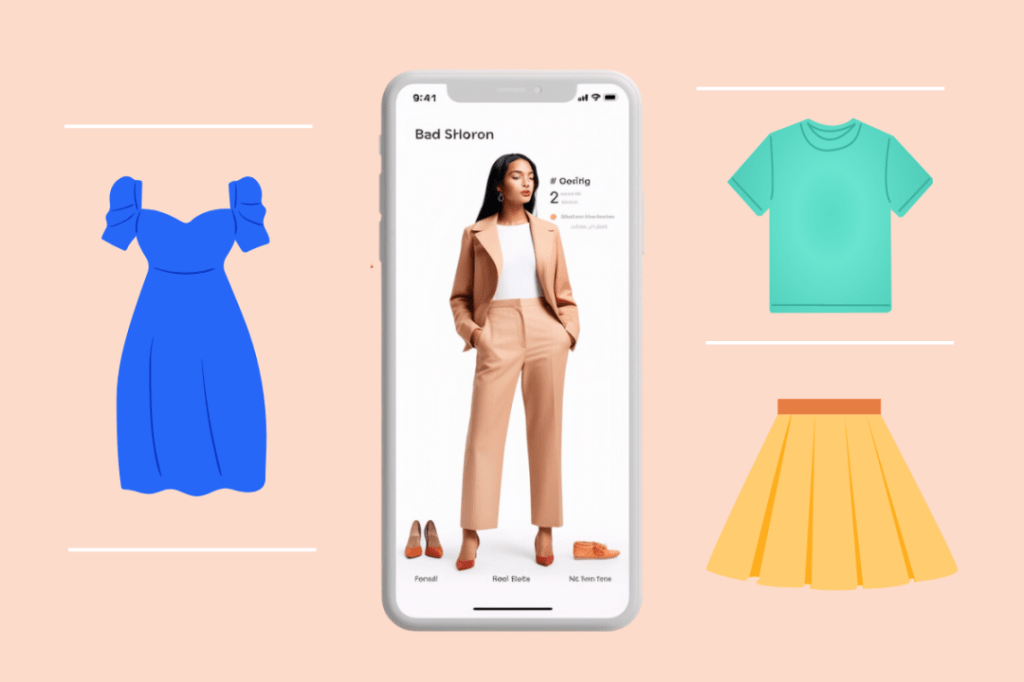
Personalization has emerged as a key trend in the fashion industry, driven by AI-powered recommendation engines and virtual styling tools. Fashion brands are leveraging AI algorithms to analyze customer data, predict purchasing behavior, and deliver personalized product recommendations and styling advice. These personalized shopping experiences enhance customer engagement, increase conversion rates, and foster brand loyalty.
4. Sustainable Fashion
Sustainability is a growing concern within the fashion industry, and AI is playing a crucial role in driving sustainability initiatives. AI-powered solutions are being used to optimize supply chain operations, minimize waste, and reduce environmental impact. From predictive analytics for demand forecasting to blockchain technology for supply chain transparency, AI is enabling fashion brands to adopt more sustainable practices and meet the growing demand for ethically produced clothing.
5. AI-Powered Virtual Try-On
Virtual try-on experiences powered by AI and augmented reality (AR) are gaining popularity among fashion brands and consumers alike. These immersive experiences allow customers to virtually try on clothing and accessories from the comfort of their homes, enhancing the online shopping experience and reducing the need for physical stores. AI algorithms analyze body measurements and clothing attributes to generate realistic virtual try-on simulations, enabling customers to make more informed purchasing decisions.
6. AI-Driven Trend Forecasting
AI is revolutionizing trend forecasting in the fashion industry by analyzing vast amounts of data from social media, fashion blogs, and online marketplaces. By identifying emerging trends and consumer preferences in real-time, AI algorithms help fashion brands anticipate market demand and design collections that resonate with their target audience. This data-driven approach to trend forecasting enables brands to stay ahead of the curve and capitalize on emerging opportunities.
7. Enhanced Supply Chain Management
AI is revolutionizing supply chain management in the fashion industry by optimizing inventory management, production scheduling, and logistics operations. AI-powered solutions analyze data from suppliers, manufacturers, and logistics partners to identify inefficiencies, minimize lead times, and reduce costs. By improving supply chain visibility and agility, AI is enabling fashion brands to respond more effectively to changing market conditions and consumer demands.
Embracing the Future of AI in Fashion
1. AI-Powered Fashion Shows
The future of fashion shows will be driven by AI technologies, with virtual and augmented reality experiences becoming increasingly common. AI algorithms will analyze fashion trends, consumer preferences, and social media data to curate personalized fashion shows tailored to individual viewers’ interests. These immersive experiences will redefine the concept of fashion shows, enabling brands to engage with global audiences in new and innovative ways.
2. Hyper-Personalization
AI will continue to drive hyper-personalization in the fashion industry, with brands leveraging customer data and AI algorithms to deliver personalized products and services. From customized clothing and accessories to personalized styling advice and recommendations, AI-powered personalization will become the norm, enabling fashion brands to create more meaningful and engaging experiences for their customers.
3. AI-Generated Content
AI-powered content creation tools will revolutionize the way fashion brands produce and distribute content. From AI-generated product descriptions and blog posts to virtual fashion influencers and digital avatars, AI will enable brands to create compelling content at scale, reaching wider audiences and driving engagement across digital channels.
Conclusion
As AI technologies continue to evolve, their impact on the fashion industry will only grow stronger. From AI-powered design tools and personalized shopping experiences to sustainable supply chain management and immersive virtual try-on experiences, AI is reshaping every aspect of the fashion value chain. By embracing these latest trends and innovations, fashion brands can stay ahead of the curve, meet the evolving needs of consumers, and create a more sustainable and inclusive fashion ecosystem for the future.
 TechnoAI
Leave a comment