
In today’s fast-paced global economy, accurate demand forecasting is crucial for businesses to optimize production, manage inventory effectively, and meet customer expectations. With the advent of Artificial Intelligence (AI), demand forecasting has undergone a significant transformation, enabling industries to predict market trends with unprecedented accuracy and agility. This article explores how AI-powered demand forecasting is reshaping various sectors, its benefits, challenges, and future implications.
Introduction to AI Demand Forecasting
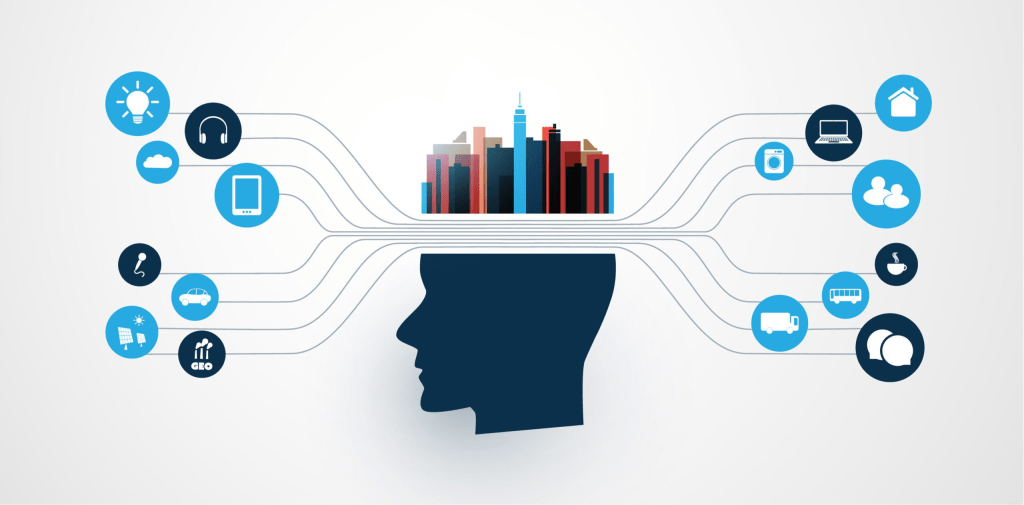
AI-driven demand forecasting leverages advanced machine learning algorithms to analyze historical sales data, market trends, consumer behavior, and external factors impacting demand. By processing large datasets and identifying patterns, AI models generate forecasts that guide strategic decision-making across industries.
Understanding AI in Demand Forecasting
Traditional demand forecasting methods often rely on statistical techniques and historical data analysis. Demand forecasting AI enhances this process by:
- Machine Learning Algorithms: Employing algorithms such as neural networks, random forests, and deep learning models to learn from data patterns and make accurate predictions.
- Big Data Analytics: Processing vast amounts of structured and unstructured data from diverse sources including sales records, social media, weather patterns, and economic indicators.
Importance of AI in Demand Forecasting
AI-powered demand forecasting offers several advantages over traditional methods:
- Precision and Accuracy: Enhanced predictive capabilities enable businesses to forecast demand more accurately, minimizing overstock and stockouts.
- Real-Time Insights: Rapid analysis of real-time data allows businesses to respond promptly to market changes and consumer behavior shifts.
- Cost Efficiency: Optimized inventory management reduces carrying costs and improves resource allocation, leading to higher profitability.
Applications of AI Demand Forecasting Across Industries
AI demand forecasting is applicable across diverse sectors, each benefiting from tailored forecasting models and insights:
1. Retail and E-Commerce
- Seasonal Demand: Predicting seasonal variations and holiday shopping trends to optimize inventory levels and marketing campaigns.
- Consumer Preferences: Analyzing customer buying patterns and preferences to personalize product offerings and enhance customer satisfaction.
2. Manufacturing and Supply Chain Management
- Production Planning: Forecasting demand for raw materials and components to streamline manufacturing processes and reduce lead times.
- Supply Chain Optimization: Improving logistics and distribution by anticipating demand fluctuations and optimizing transportation routes.
3. Financial Services
- Investment Strategies: Forecasting market trends and investor behavior to inform portfolio management and trading decisions.
- Risk Management: Predicting credit demand and assessing creditworthiness to mitigate financial risks and optimize lending practices.
4. Healthcare and Pharmaceuticals
- Drug Supply Chains: Forecasting demand for medications and medical supplies to ensure availability and optimize healthcare delivery.
- Patient Demand: Predicting patient volumes and healthcare service utilization to allocate resources efficiently and improve patient care.
5. Hospitality and Travel
- Booking Patterns: Forecasting travel demand and hotel occupancy rates to optimize pricing strategies and staffing levels.
- Event Planning: Predicting demand for event venues, catering services, and entertainment options to meet customer expectations.
Benefits of AI Demand Forecasting
AI-driven demand forecasting offers numerous benefits that drive operational efficiency and strategic growth:
1. Enhanced Decision-Making
- Data-Driven Insights: Providing actionable insights based on comprehensive data analysis, enabling informed decision-making and strategic planning.
- Scenario Analysis: Simulating various scenarios and predicting outcomes to assess the impact of different strategies and market conditions.
2. Operational Efficiency
- Inventory Optimization: Reducing excess inventory and stockouts by aligning production and procurement with anticipated demand.
- Resource Allocation: Optimizing workforce scheduling, equipment utilization, and supply chain logistics to minimize costs and improve efficiency.
3. Customer Satisfaction
- Personalized Experiences: Tailoring product offerings and services to meet individual customer preferences and anticipate future needs.
- Service Excellence: Ensuring timely delivery of goods and services, enhancing customer satisfaction and loyalty.
4. Competitive Advantage
- Market Positioning: Gaining insights into market trends and competitor behavior to develop proactive strategies and maintain a competitive edge.
- Agility and Adaptability: Responding quickly to changes in consumer demand, market dynamics, and economic conditions to capitalize on opportunities.
Challenges and Considerations
Despite its transformative potential, AI demand forecasting poses several challenges and considerations for businesses:
1. Data Quality and Integration
- Data Complexity: Managing diverse datasets from multiple sources and ensuring data accuracy, consistency, and relevance for reliable forecasts.
- Integration Issues: Overcoming barriers to integrating AI technologies with existing IT infrastructure and business processes.
2. Algorithm Bias and Interpretability
- Bias Mitigation: Addressing algorithmic biases that may skew forecasts and lead to inaccurate predictions, particularly in diverse consumer markets.
- Explainability: Ensuring transparency and explainability of AI models to build trust among stakeholders and facilitate regulatory compliance.
3. Skills and Expertise
- Talent Shortage: Recruiting and retaining skilled data scientists, AI engineers, and domain experts capable of developing and implementing AI-driven forecasting solutions.
- Training Needs: Providing ongoing training and upskilling programs to empower employees with AI literacy and proficiency.
4. Regulatory and Ethical Issues
- Privacy Concerns: Safeguarding sensitive customer data and complying with data protection regulations (e.g., GDPR, CCPA) to uphold consumer privacy rights.
- Ethical Use: Ensuring ethical AI practices and responsible use of predictive analytics to prevent misuse or discrimination based on forecasted outcomes.
Future Outlook and Innovations
Looking ahead, the future of AI demand forecasting is marked by continuous innovation and technological advancements:
1. Predictive Analytics and AI Integration
- Advanced Forecasting Models: Developing sophisticated AI algorithms that combine predictive analytics, machine learning, and deep learning techniques for more accurate forecasts.
- AI-Driven Insights: Harnessing predictive analytics to generate actionable insights and recommendations that drive business growth and innovation.
2. Autonomous Decision-Making
- AI-Powered Automation: Implementing autonomous systems and AI-driven decision-making processes that adapt in real-time to changing market dynamics and consumer behavior.
- Prescriptive Analytics: Going beyond predictive insights to prescribe optimal actions and strategies based on forecasted outcomes and business objectives.
3. Industry-Specific Solutions
- Sector-Specific Applications: Tailoring AI demand forecasting solutions to address unique challenges and opportunities in sectors such as healthcare, retail, finance, and manufacturing.
- Cross-Industry Collaboration: Promoting knowledge sharing and collaboration among industries to accelerate AI adoption and innovation in demand forecasting.
Conclusion
AI demand forecasting represents a paradigm shift in how businesses anticipate market trends, manage resources, and deliver value to customers. By harnessing the power of AI-driven insights, organizations can gain a competitive edge, enhance operational efficiency, and foster sustainable growth in an increasingly dynamic and interconnected global economy.
As businesses navigate the complexities of AI adoption, addressing challenges related to data quality, algorithm bias, skills development, and regulatory compliance will be critical. By embracing innovation and embracing ethical AI practices, businesses can harness the full potential of AI demand forecasting to drive industry transformation and shape a more resilient and prosperous future.
 TechnoAI
Leave a comment