
Introduction
The advent of Artificial Intelligence (AI) has revolutionized numerous industries, and content creation is no exception. AI agents for content creation are reshaping how content is produced, managed, and consumed, offering unprecedented capabilities and efficiency. This article explores the key components and capabilities of AI agents for content creation, highlighting how they are transforming the content landscape.
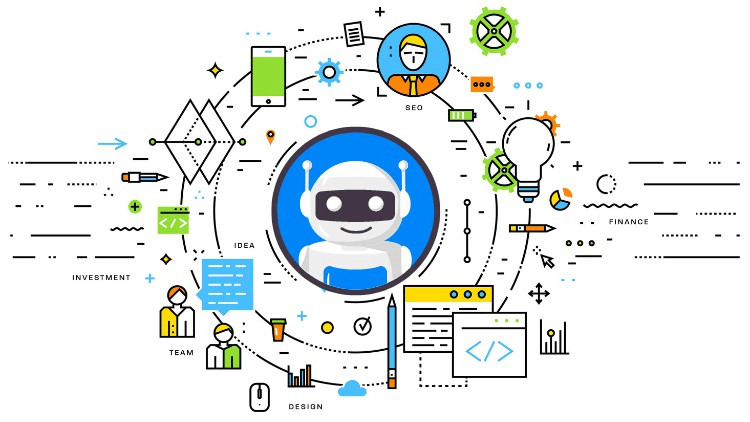
Understanding AI Agents for Content Creation
What Are AI Agents?
AI agents are advanced software applications designed to perform specific tasks autonomously. In the context of content creation, these agents leverage AI technologies such as natural language processing (NLP), machine learning (ML), and data analytics to generate, optimize, and manage content.
Importance of AI in Content Creation
The integration of AI agent in content creation addresses several challenges faced by traditional content production methods, including:
- Scalability: AI enables the creation of large volumes of content efficiently.
- Consistency: AI ensures consistency in tone, style, and quality across all content.
- Personalization: AI personalizes content to cater to diverse audience segments.
Key Capabilities of AI Agents for Content Creation
Automated Content Generation
Drafting and Writing
AI agents can generate high-quality content drafts for various formats, including:
- Articles and Blog Posts: AI tools can write informative and engaging articles and blog posts based on given topics and keywords.
- Social Media Updates: AI generates compelling social media content tailored to different platforms, optimizing engagement.
Multimodal Content Creation
AI agents are capable of producing multimodal content, which includes:
- Text and Visuals: AI can create text accompanied by relevant images, infographics, and charts.
- Videos: AI tools generate video content, including script writing, video editing, and even voiceovers.
Content Optimization
SEO Optimization
AI agents enhance content visibility by optimizing it for search engines through:
- Keyword Integration: AI tools identify and incorporate trending keywords to improve search engine rankings.
- Meta Descriptions and Tags: AI generates optimized meta descriptions and tags to attract more clicks from search engine results.
Readability Enhancement
AI agents ensure that content is easy to read and understand by:
- Grammar and Style Checks: AI tools correct grammatical errors, enhance readability, and ensure a consistent tone and style.
- Content Structuring: AI agents organize content logically, using headings, subheadings, and bullet points for better readability.
Personalization and Targeting
Audience Segmentation
AI agents analyze user data to segment audiences based on:
- Demographics: Age, gender, location, and other demographic factors.
- Behavior: Online behavior, such as browsing history and interaction patterns.
- Preferences: User interests and preferences derived from previous interactions.
Dynamic Content Personalization
AI agents deliver personalized content experiences through:
- Real-Time Adjustments: AI tools dynamically adjust content based on real-time user interactions and feedback.
- Tailored Recommendations: AI agents recommend personalized content to users, increasing engagement and satisfaction.
Data-Driven Insights
Performance Analytics
AI agents provide valuable insights into content performance by analyzing:
- Engagement Metrics: Likes, shares, comments, and other engagement metrics.
- Conversion Rates: The effectiveness of content in driving conversions and achieving business goals.
Strategic Decision-Making
AI agents support strategic content planning by offering:
- Trend Analysis: AI tools identify emerging trends and popular topics to guide content creation.
- Content Gaps: AI agents detect content gaps and opportunities, helping creators focus on high-impact topics.
Collaboration and Creativity
Augmented Creativity
AI agents enhance human creativity by:
- Idea Generation: AI tools suggest new content ideas and topics based on trends and audience preferences.
- Creative Assistance: AI provides support in crafting compelling headlines, taglines, and creative copy.
Streamlined Collaboration
AI agents facilitate collaboration among content teams through:
- Workflow Automation: AI tools automate content workflows, from ideation to publication.
- Collaboration Platforms: AI agents integrate with collaboration platforms, enabling seamless communication and coordination.
Key Components of AI Agents for Content Creation
Natural Language Processing (NLP)
Text Analysis
NLP enables AI agents to understand and analyze text, including:
- Sentiment Analysis: Determining the sentiment (positive, negative, neutral) of the content.
- Contextual Understanding: Comprehending the context and nuances of the text for more accurate content generation.
Text Generation
NLP allows AI agents to generate human-like text by:
- Language Models: Using advanced language models like GPT-3 and GPT-4 to produce coherent and engaging content.
- Content Templates: Applying predefined templates to ensure consistency and quality in content generation.
Machine Learning (ML)
Pattern Recognition
ML enables AI agents to recognize patterns in data, including:
- Content Trends: Identifying trending topics and keywords.
- User Behavior: Analyzing user behavior to tailor content recommendations and personalization.
Predictive Analytics
ML allows AI agents to predict future trends and outcomes by:
- Predictive Modeling: Using historical data to forecast future content performance and trends.
- Optimization Algorithms: Continuously improving content strategies based on predictive insights.
Data Analytics
User Data Analysis
AI agents analyze vast amounts of user data to:
- Understand Audience: Gain insights into audience demographics, behavior, and preferences.
- Improve Personalization: Tailor content to meet the specific needs and interests of different audience segments.
Content Performance Tracking
AI agents track and analyze content performance metrics to:
- Measure Effectiveness: Assess the effectiveness of content in achieving business objectives.
- Optimize Strategies: Continuously refine content strategies based on performance data.
Integration Capabilities
API Integration
AI agents can integrate with various platforms and tools through APIs, including:
- Content Management Systems (CMS): Seamlessly integrating with CMS platforms to automate content creation and publishing.
- Marketing Automation Tools: Integrating with marketing automation tools to streamline content marketing efforts.
Multi-Platform Support
AI agents support content creation across multiple platforms, including:
- Social Media: Generating and scheduling content for different social media platforms.
- Websites and Blogs: Creating and optimizing content for websites and blogs.
Conclusion
AI agents for content creation are revolutionizing the way content is produced, managed, and consumed. Their advanced capabilities in automated content generation, optimization, personalization, and data-driven insights offer numerous benefits for content creators and marketers. By leveraging key components such as NLP, ML, and data analytics, AI agents enhance efficiency, quality, and creativity in content creation. As AI technology continues to evolve, the potential for AI agents to further transform the content landscape is immense. Embracing these tools will be crucial for businesses and content creators to stay competitive and deliver exceptional content in an increasingly digital and data-driven world.
 TechnoAI
Leave a comment