
The integration of Artificial Intelligence (AI) in production scheduling is reshaping the manufacturing industry, making processes more efficient, accurate, and responsive to dynamic market demands. This article delves into the recent developments in AI production scheduling, emphasizing the role of a chatbot development agency in driving these innovations.
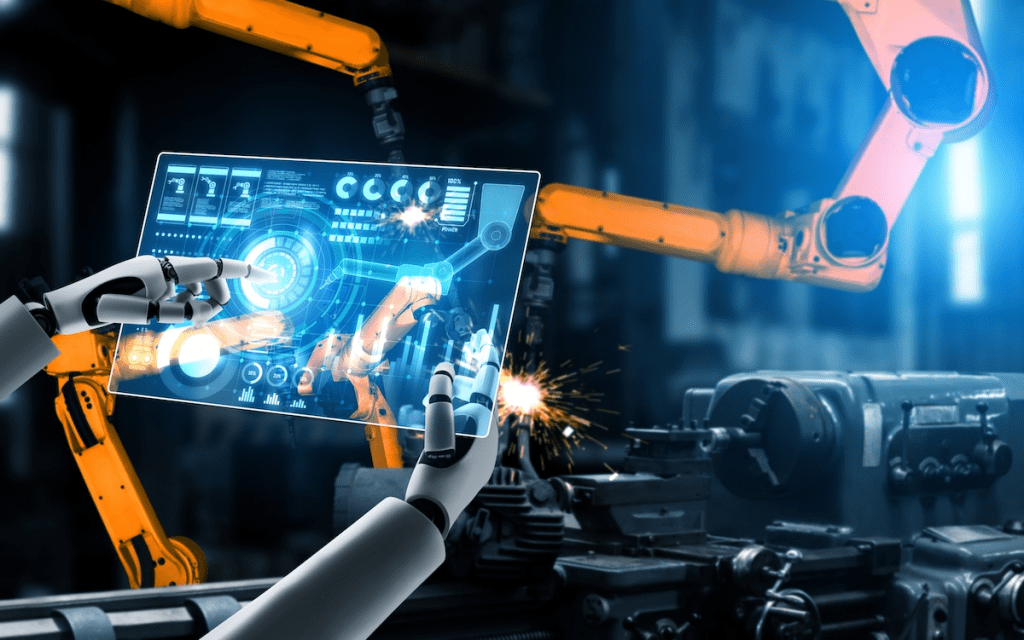
Introduction
Production scheduling is a critical aspect of manufacturing, involving the allocation of resources, sequencing of tasks, and timing of operations to optimize productivity. Traditional methods often struggle to cope with the complexities of modern manufacturing environments. AI-driven production scheduling offers a solution, leveraging advanced algorithms and real-time data to enhance decision-making and operational efficiency.
The Evolution of AI in Production Scheduling
Traditional Scheduling Challenges
- Complexity and Variability: Traditional methods are often linear and static, making it difficult to adjust to changes in production demands and resource availability.
- Manual Interventions: Reliance on human intervention increases the risk of errors and inefficiencies.
- Limited Scalability: Traditional systems struggle to scale with the growing complexity and size of manufacturing operations.
The AI Advantage
AI brings several advantages to production scheduling:
- Automation: Reduces the need for manual interventions, minimizing errors and improving efficiency.
- Real-Time Adjustments: AI systems can adapt to changes in real-time, ensuring optimal scheduling despite dynamic conditions.
- Predictive Analytics: Forecasting capabilities help in anticipating production demands, potential disruptions, and maintenance needs.
Recent Developments in AI Production Scheduling
Advanced Machine Learning Algorithms
Recent advancements in machine learning have significantly enhanced AI’s ability to optimize production schedules. These algorithms can process vast amounts of data, learn from historical trends, and make intelligent decisions.
- Reinforcement Learning: This approach allows AI systems to learn optimal scheduling strategies through trial and error, continuously improving performance.
- Neural Networks: Deep learning models can identify complex patterns and relationships in production data, enabling more accurate and efficient scheduling.
Integration with IoT and Big Data
The convergence of AI with the Internet of Things (IoT) and Big Data has opened new possibilities for production scheduling.
- Real-Time Data Collection: IoT devices provide real-time data on machine status, inventory levels, and production progress, enabling more responsive scheduling.
- Data-Driven Insights: Big Data analytics allows AI systems to process and analyze large datasets, uncovering insights that drive more informed scheduling decisions.
Predictive Maintenance
AI-driven predictive maintenance is a game-changer for production scheduling.
- Failure Prediction: AI algorithms can predict equipment failures before they occur, allowing for proactive maintenance and reducing downtime.
- Maintenance Scheduling: Integrating maintenance schedules with production plans ensures minimal disruption to operations and maximizes equipment uptime.
Digital Twins
The use of digital twins—virtual replicas of physical production systems—is revolutionizing production scheduling.
- Simulation and Optimization: Digital twins allow manufacturers to simulate different scheduling scenarios and optimize production plans based on real-world constraints.
- Scenario Planning: AI-driven digital twins can evaluate the impact of various factors, such as demand fluctuations or supply chain disruptions, on production schedules.
Enhanced Human-AI Collaboration
Recent developments focus on enhancing collaboration between human planners and AI systems.
- User-Friendly Interfaces: AI systems now feature intuitive interfaces that allow human planners to easily interact with and oversee AI-driven schedules.
- Collaborative Decision-Making: AI systems provide recommendations and insights, enabling human planners to make more informed decisions.
The Role of a Chatbot Development Agency
Expertise in AI and Machine Learning
A chatbot development agency brings specialized expertise in AI and machine learning, crucial for developing advanced production scheduling solutions.
- Custom Algorithm Development: Agencies can create tailored AI algorithms that address specific scheduling challenges unique to each manufacturing environment.
- Continuous Improvement: Ongoing support and optimization ensure that AI solutions remain effective as production conditions evolve.
Integration Services
Seamless integration of AI solutions with existing production systems and IoT devices is essential.
- System Compatibility: Agencies ensure that AI systems are compatible with existing infrastructure, minimizing disruption during implementation.
- Data Integration: Effective integration of data from various sources, such as IoT devices and ERP systems, enhances the accuracy and reliability of AI-driven schedules.
Continuous Support and Optimization
AI systems require continuous monitoring and optimization to maintain their effectiveness.
- Performance Monitoring: Agencies provide ongoing monitoring to ensure AI systems perform optimally and address any issues promptly.
- Algorithm Tuning: Continuous refinement of AI algorithms ensures they adapt to changing production conditions and remain effective over time.
Benefits of Recent Developments in AI Production Scheduling
Improved Efficiency
Advanced AI algorithms and real-time data processing enhance production efficiency by optimizing resource allocation and reducing downtime.
Increased Accuracy
AI’s ability to analyze large datasets and identify patterns leads to more accurate scheduling decisions, reducing the risk of errors.
Reduced Downtime
Predictive maintenance and real-time adjustments minimize unplanned downtime, ensuring continuous production.
Enhanced Flexibility
AI systems can adapt to changes in production demands and resource availability, providing greater flexibility and responsiveness.
Cost Savings
Optimized production schedules and reduced downtime translate into significant cost savings for manufacturers.
Better Decision-Making
AI-driven insights enable more informed decision-making, helping manufacturers optimize production processes and improve overall performance.
Challenges and Considerations
Data Quality and Availability
The effectiveness of AI production scheduling depends on the quality and availability of data. Manufacturers must ensure that their data is accurate, complete, and up-to-date.
Integration Complexity
Integrating AI solutions with existing production systems can be complex. Working with a chatbot development agency can help ensure seamless integration and minimize disruptions.
Change Management
Implementing AI in production scheduling requires a cultural shift and change management. Manufacturers should invest in training and education to help employees adapt to new technologies and processes.
Initial Investment
The initial investment in AI can be significant, but the long-term benefits often outweigh the costs. Manufacturers should conduct a cost-benefit analysis and consider the potential return on investment (ROI) before implementing AI solutions.
Conclusion
The recent developments in AI production scheduling are transforming the manufacturing industry, offering significant benefits in terms of efficiency, accuracy, and flexibility. Advanced machine learning algorithms, integration with IoT and Big Data, predictive maintenance, and digital twins are driving these innovations.
A chatbot development agency plays a crucial role in this transformation, providing the expertise and support needed to develop, integrate, and optimize AI solutions. As AI technology continues to evolve, its applications in production scheduling will expand, offering even greater benefits to manufacturers.
By embracing AI, companies can stay competitive, improve their operations, and deliver high-quality products to their customers. The future of production scheduling lies in the hands of AI, and the possibilities are limitless.
 TechnoAI
Leave a comment