
Introduction
The manufacturing sector has always been at the forefront of adopting new technologies to enhance efficiency and drive innovation. In recent years, generative AI has emerged as a powerful tool in transforming manufacturing processes, enabling businesses to optimize operations, reduce costs, and create innovative products. Generative AI platforms offer a range of features tailored to meet the unique demands of the manufacturing industry. This article explores the key features of generative AI platforms designed for manufacturing and how they are revolutionizing the industry.
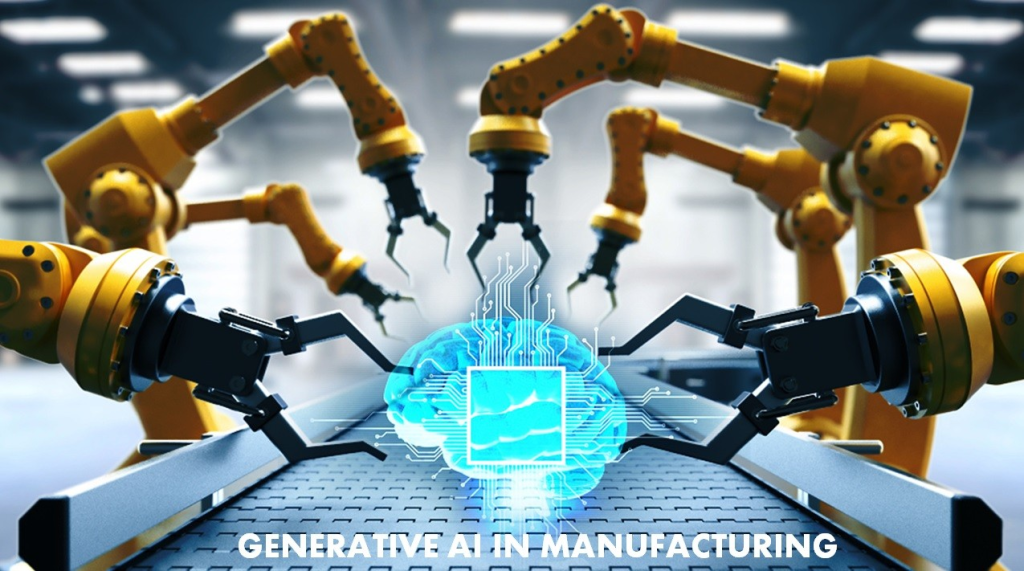
Understanding Generative AI in Manufacturing
What is Generative AI?
Generative AI refers to artificial intelligence systems that can create new content, designs, or solutions based on input data and learned patterns. Unlike traditional AI, which focuses on recognizing patterns or making predictions, generative AI is capable of generating novel outputs that meet specific criteria. In manufacturing, this means creating new product designs, optimizing processes, and improving decision-making across various stages of production.
Role of Generative AI in Manufacturing
Gen AI platforms for manufacturing serve as powerful tools that assist engineers, designers, and managers in making data-driven decisions. By leveraging large datasets and sophisticated algorithms, these platforms can simulate multiple scenarios, identify optimal solutions, and automate complex tasks. This capability allows manufacturers to stay competitive in a fast-paced market by reducing time-to-market, minimizing waste, and increasing overall efficiency.
Key Features of Gen AI Platforms for Manufacturing
1. Automated Design Generation
a. Rapid Prototyping
One of the standout features of gen AI platforms for manufacturing is their ability to automatically generate design alternatives based on specific parameters and constraints. This feature is particularly valuable in the prototyping phase, where engineers can quickly explore various design options without manually crafting each one. Rapid prototyping accelerates the design process, allowing manufacturers to test and refine products more efficiently.
b. Topology Optimization
Generative AI can optimize the geometry of a product design to achieve the best balance between material usage and structural integrity. This process, known as topology optimization, is essential in industries like automotive and aerospace, where reducing weight while maintaining strength is critical.
2. Process Optimization
a. Predictive Analytics
Gen AI platforms for manufacturing use predictive analytics to identify inefficiencies in manufacturing processes. By analyzing historical data and real-time inputs, these platforms can forecast potential bottlenecks, equipment failures, or quality issues before they occur. This predictive capability helps manufacturers optimize production schedules, reduce downtime, and maintain consistent product quality.
b. Supply Chain Optimization
In addition to optimizing internal processes, generative AI platforms can also enhance supply chain operations. By analyzing data on supplier performance, transportation routes, and inventory levels, these platforms can suggest improvements that lead to cost savings and better resource allocation.
3. Advanced Simulation and Modeling
a. Digital Twin Technology
Generative AI platforms often incorporate digital twin technology, creating a virtual replica of the manufacturing process. This digital twin allows manufacturers to simulate different production scenarios, test changes in a risk-free environment, and identify the most efficient approaches. Digital twins are particularly useful for large-scale manufacturing operations where even minor adjustments can have significant impacts.
b. Process Simulation
Beyond digital twins, generative AI can simulate specific manufacturing processes to determine optimal settings, material combinations, and production methods. For example, in injection molding, AI-driven simulations can identify the best combination of pressure, temperature, and material composition to achieve the desired product quality.
4. Predictive Maintenance
a. Real-Time Monitoring
Generative AI platforms can monitor equipment and machinery in real time, analyzing sensor data to detect early signs of wear or malfunction. By predicting maintenance needs before issues become critical, these platforms help manufacturers avoid costly downtime and extend the life of their equipment.
b. Automated Maintenance Scheduling
In addition to predicting maintenance needs, generative AI platforms can automate the scheduling of maintenance tasks. By considering production schedules, equipment availability, and maintenance crew workloads, AI-driven platforms can ensure that maintenance is performed at the most convenient times, minimizing disruptions to production.
5. Customization and Personalization
a. Mass Customization
Generative AI platforms enable manufacturers to offer mass customization of products without sacrificing efficiency. By generating design variations based on individual customer preferences, these platforms allow manufacturers to cater to niche markets and meet specific customer demands. This capability is particularly valuable in industries such as consumer electronics and fashion, where personalization is a key differentiator.
b. Adaptive Manufacturing
Adaptive manufacturing is the ability to adjust production processes in real time based on changing conditions or customer requirements. Generative AI platforms can analyze data from the production floor and make adjustments on the fly, ensuring that products are manufactured to exact specifications, even in dynamic environments.
6. Material Innovation
a. Material Property Prediction
Generative AI platforms can predict the properties of new material combinations, enabling manufacturers to explore innovative materials with unique characteristics. This feature is particularly valuable in industries such as aerospace and automotive, where the development of lightweight, high-strength materials is crucial.
b. Sustainable Material Development
In response to growing demand for sustainable manufacturing practices, generative AI platforms can assist in developing eco-friendly materials. By analyzing the environmental impact of different materials, these platforms can suggest alternatives that reduce carbon footprints and support sustainability goals.
7. Data-Driven Decision Making
a. AI-Powered Insights
Generative AI platforms provide manufacturers with data-driven insights that inform decision-making at all levels. By analyzing large datasets and identifying patterns, AI-driven platforms can offer recommendations on everything from production scheduling to inventory management, helping manufacturers make more informed and strategic decisions.
b. Real-Time Analytics
In addition to providing long-term insights, generative AI platforms can also offer real-time analytics that help manufacturers respond to immediate challenges. For example, if a quality issue arises on the production floor, AI-driven platforms can quickly identify the root cause and suggest corrective actions.
Benefits of Implementing Generative AI in Manufacturing
1. Increased Efficiency
Generative AI platforms streamline various aspects of manufacturing, from design to production, leading to significant gains in efficiency. By automating complex tasks and optimizing processes, manufacturers can reduce time-to-market and lower operational costs.
2. Enhanced Innovation
Generative AI fosters innovation by enabling manufacturers to explore a broader range of design possibilities and material combinations. This capability leads to the creation of groundbreaking products and solutions that set manufacturers apart from their competitors.
3. Cost Reduction
By optimizing processes and reducing waste, generative AI platforms help manufacturers lower their production costs. Predictive maintenance also reduces the need for expensive repairs and replacements, further contributing to cost savings.
4. Improved Product Quality
Generative AI platforms enhance product quality by enabling manufacturers to design products with optimal performance characteristics. AI-driven simulations and real-time monitoring ensure that products meet or exceed quality standards, leading to higher customer satisfaction.
Challenges in Adopting Generative AI Platforms
1. High Initial Investment
Implementing generative AI platforms requires a significant initial investment in both software and hardware. Manufacturers must weigh the upfront costs against the long-term benefits, which can include increased efficiency and cost savings.
2. Data Integration
Generative AI platforms rely on large amounts of data to function effectively. Manufacturers must ensure that their data is accurate, comprehensive, and well-organized to maximize the effectiveness of AI-driven solutions.
3. Technical Expertise
The complexity of generative AI platforms means that manufacturers need specialized technical expertise to implement and maintain these systems. This may involve hiring AI specialists or investing in training for existing staff.
4. Change Management
Introducing generative AI into manufacturing processes requires careful change management to ensure that employees understand and embrace the new technology. Manufacturers must address potential resistance and provide adequate training to facilitate a smooth transition.
Conclusion
Generative AI platforms are transforming the manufacturing industry by offering a range of powerful features that enhance efficiency, drive innovation, and improve product quality. From automated design generation to predictive maintenance and material innovation, these platforms provide manufacturers with the tools they need to stay competitive in a rapidly changing market. While challenges remain in terms of cost, data integration, and technical expertise, the benefits of adopting generative AI platforms far outweigh the initial hurdles. As technology continues to evolve, generative AI will play an increasingly central role in shaping the future of manufacturing, offering manufacturers new opportunities to innovate, compete, and thrive in a dynamic global economy.
 TechnoAI
Leave a comment