
As the hospitality industry evolves, embracing new technologies is crucial for enhancing guest experiences, streamlining operations, and maintaining competitiveness. Generative AI has emerged as a transformative force, reshaping various aspects of the hospitality sector. This article explores the profound impact of generative AI on hospitality, focusing on its benefits, challenges, and future potential.
1. Introduction to Generative AI in Hospitality
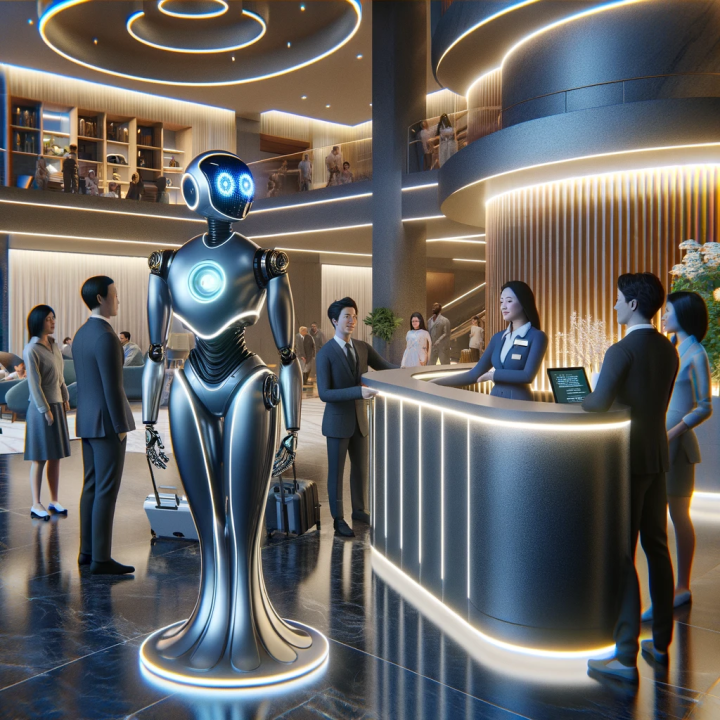
Generative AI refers to algorithms that can generate text, images, and other content based on input data. This technology is increasingly being applied in the hospitality industry to automate processes, enhance personalization, and improve decision-making. As guest expectations evolve, generative AI offers innovative solutions to meet and exceed these demands.
2. Enhancing Guest Experience
One of the most significant impacts of generative AI in hospitality is its ability to enhance the guest experience.
Personalization at Scale
Generative AI enables hotels and restaurants to offer personalized experiences tailored to individual guest preferences. By analyzing historical data, AI can predict guest needs and provide recommendations for activities, dining options, and services.
- Targeted Marketing Campaigns: Hospitality businesses can leverage AI to create personalized marketing messages that resonate with potential guests, increasing conversion rates.
- Customized Services: From personalized welcome messages to room preferences, AI can help create a unique experience for each guest.
Chatbots and Virtual Assistants
AI-powered chatbots and virtual assistants play a crucial role in improving communication and service delivery.
- 24/7 Availability: These tools provide instant responses to guest inquiries, enabling seamless interactions at any time of day.
- Efficient Service: Guests can use chatbots to request room service, make reservations, or ask for local recommendations, enhancing overall satisfaction.
3. Streamlining Operations
Generative AI not only improves guest experiences but also streamlines various operational processes in hospitality.
Predictive Analytics
AI-driven predictive analytics help hospitality businesses forecast demand, optimize pricing strategies, and manage inventory effectively.
- Dynamic Pricing: Generative AI can analyze market trends and occupancy rates to adjust room prices in real-time, maximizing revenue.
- Inventory Management: AI can predict demand for supplies and food, helping restaurants and hotels maintain optimal inventory levels, reducing waste, and ensuring availability.
Staff Scheduling
AI can optimize staff scheduling by analyzing historical data on guest bookings and peak times.
- Efficiency: By aligning staff schedules with expected demand, businesses can enhance service quality while controlling labor costs.
- Employee Satisfaction: Optimized scheduling can lead to improved employee morale, as staff members receive fairer and more manageable workloads.
4. Data-Driven Decision Making
The integration of generative AI in hospitality allows businesses to leverage data more effectively for informed decision-making.
Enhanced Insights
AI algorithms can analyze vast amounts of data to identify trends, patterns, and guest preferences.
- Real-Time Feedback: Hospitality businesses can gather and analyze guest feedback in real-time, enabling them to make quick adjustments to services or offerings.
- Performance Analysis: AI can evaluate the effectiveness of marketing campaigns, helping businesses refine their strategies for better results.
Risk Management
Generative AI can also assist in risk assessment and management within the hospitality industry.
- Identifying Risks: AI can analyze market trends and historical data to identify potential risks, such as economic downturns or shifts in consumer behavior.
- Mitigation Strategies: With accurate predictions, hospitality businesses can develop strategies to mitigate risks, ensuring long-term sustainability.
5. Improving Marketing Efforts
Generative AI significantly enhances marketing efforts in the hospitality industry.
Targeted Advertising
By analyzing guest data, AI can help businesses create targeted advertising campaigns.
- Personalized Promotions: AI can generate promotional offers based on guest preferences, increasing the likelihood of bookings.
- Efficient Budget Allocation: AI can analyze the performance of different marketing channels, allowing businesses to allocate budgets more effectively.
Content Creation
Generative AI can assist in creating engaging marketing content.
- Automated Content Generation: From social media posts to blog articles, AI can generate high-quality content tailored to the target audience, saving time and resources.
- SEO Optimization: AI tools can analyze keywords and trends, helping businesses create SEO-friendly content that attracts more organic traffic.
6. Challenges in Implementing Generative AI
While the impact of generative AI in hospitality is largely positive, challenges exist in its implementation.
Data Privacy Concerns
As AI relies heavily on data, privacy concerns are a significant issue.
- Regulatory Compliance: Hospitality businesses must ensure compliance with data protection regulations, such as GDPR, while using AI for data analysis.
- Trust Issues: Guests may be hesitant to share personal information if they perceive a lack of transparency in how their data is used.
Integration with Existing Systems
Integrating AI solutions with existing systems can pose technical challenges.
- Legacy Systems: Many hospitality businesses still use legacy systems that may not be compatible with new AI technologies, leading to increased costs and complexity during integration.
- Training Staff: Ensuring that staff members are adequately trained to use AI tools is essential for successful implementation.
7. Future Potential of Generative AI in Hospitality
The future of generative AI in hospitality looks promising, with continued advancements likely to reshape the industry further.
Continuous Learning
As AI systems gather more data, they will become increasingly adept at understanding guest preferences and behavior.
- Improved Recommendations: Over time, AI will refine its algorithms to provide even more personalized recommendations and services.
Enhanced Guest Engagement
The use of generative AI will lead to new forms of guest engagement.
- Interactive Experiences: AI-driven experiences, such as virtual reality tours and immersive marketing, will provide guests with unique ways to engage with hospitality brands.
- Community Building: AI can facilitate community engagement through personalized social media interactions and targeted content.
8. Conclusion
Generative AI is transforming the hospitality industry by enhancing guest experiences, streamlining operations, and enabling data-driven decision-making. As businesses embrace this technology, they must navigate challenges related to data privacy and system integration. However, the potential benefits far outweigh the hurdles. With continued advancements in AI technology, the hospitality sector is poised for significant growth and innovation, ensuring a future where personalized service and operational efficiency are the norm.
9. Call to Action
As the hospitality industry continues to evolve, it’s essential for businesses to stay informed about the latest developments in generative AI. Embracing this technology can unlock new opportunities for growth and enhance guest satisfaction. Hospitality professionals should explore AI solutions tailored to their unique needs and consider partnerships with tech providers to stay ahead of the competition.
In conclusion, the impact of generative AI in hospitality is profound and far-reaching. By leveraging AI’s capabilities, businesses can create exceptional guest experiences while optimizing their operations for a more sustainable future.
 TechnoAI
Leave a comment