
In a rapidly evolving business landscape, identifying and evaluating opportunities is critical to sustaining growth and staying competitive. Organizations need structured frameworks to assess potential opportunities and make informed decisions. A business opportunity assessment framework provides a structured approach to evaluate market dynamics, risks, financial viability, and strategic fit.
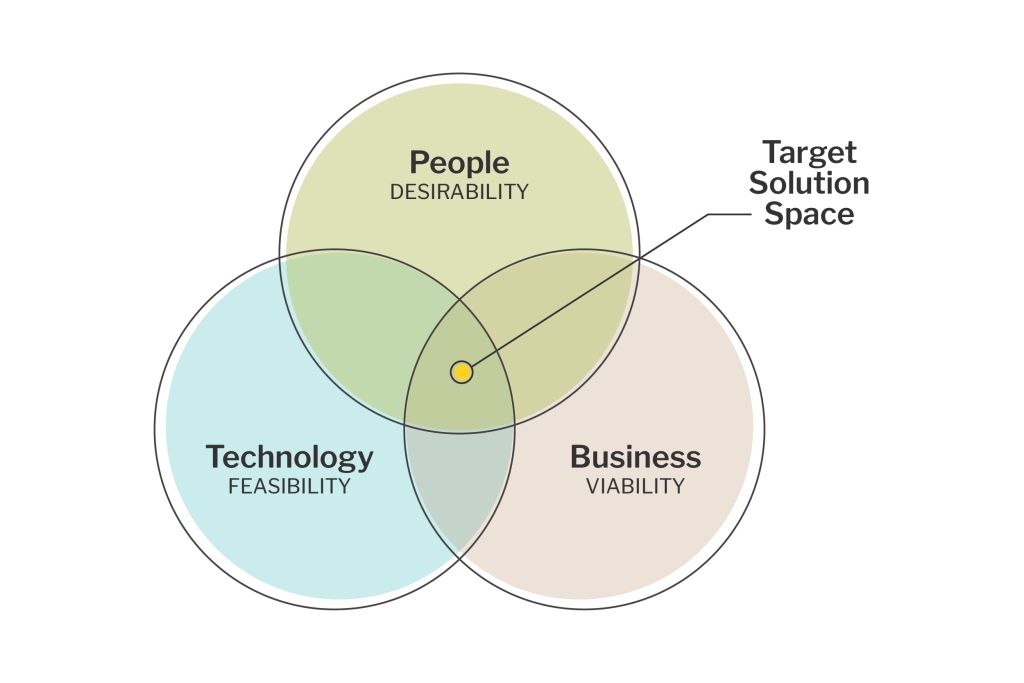
The influence of artificial intelligence (AI) is transforming traditional assessment methods. AI enables faster, more accurate evaluations by automating data analysis, identifying patterns, and providing actionable insights. This article explores the components of a business opportunity assessment framework and examines how AI is revolutionizing the assessment process.
What is a Business Opportunity Assessment Framework?
A business opportunity assessment framework is a structured methodology that helps organizations evaluate new market opportunities, investments, and business ventures. It provides a systematic approach to analyze the viability and potential of various opportunities based on predefined criteria.
Key Objectives of the Framework:
- Risk Mitigation: Identify and mitigate potential risks.
- Resource Allocation: Optimize the allocation of financial and human resources.
- Strategic Alignment: Ensure that opportunities align with long-term business goals.
- Informed Decision-Making: Provide data-driven insights to support decision-making.
Key Components of a Business Opportunity Assessment Framework
- Market Analysis
Understanding market dynamics is crucial to assessing an opportunity’s potential. This includes analyzing:- Market size and growth rate
- Customer needs and preferences
- Competitive landscape
- Financial Evaluation
Assessing the financial viability of an opportunity involves:- Revenue potential
- Profit margins
- Cost structure and investment requirements
- Risk Assessment
Identifying and evaluating potential risks, including:- Market risks
- Operational risks
- Financial risks
- Strategic Fit
Determining how well the opportunity aligns with the organization’s goals, core competencies, and market positioning. - Operational Feasibility
Evaluating the organization’s ability to execute the opportunity, including resource availability and technological capabilities. - Customer Insights
Understanding customer needs and preferences to ensure the opportunity addresses market demand effectively.
Influence of AI on Business Opportunity Assessment
The emergence of AI is revolutionizing how organizations assess business opportunities. AI-driven tools and technologies provide deeper insights, faster analysis, and more accurate predictions. Here’s how AI is transforming each component of the assessment framework:
1. Market Analysis with AI
AI-powered analytics tools can process vast amounts of market data in real-time, providing insights into market trends and customer behavior.
AI Capabilities:
- Sentiment Analysis: Analyze customer feedback from social media and online reviews.
- Demand Forecasting: Predict market demand based on historical data and external factors.
- Competitor Analysis: Monitor competitor activities and market positioning.
Example:
A consumer electronics company used AI-driven market analysis to identify a growing demand for wearable health devices. This insight allowed them to enter the market early and gain a competitive edge.
2. Financial Evaluation with AI
AI enhances financial analysis by automating data processing and providing accurate forecasts.
AI Capabilities:
- Predictive Analytics: Forecast revenue and profitability trends.
- Cost Optimization: Identify areas for cost reduction.
- Investment Analysis: Evaluate the financial viability of potential investments.
Example:
A venture capital firm used AI algorithms to assess the financial performance of startups, significantly reducing the time required for due diligence.
3. Risk Assessment with AI
AI excels at identifying and mitigating risks by analyzing historical data and predicting potential issues.
AI Capabilities:
- Fraud Detection: Identify fraudulent activities in financial transactions.
- Scenario Analysis: Simulate various market scenarios to assess risk exposure.
- Real-Time Monitoring: Detect operational risks in real-time.
Example:
A financial services company implemented an AI-driven risk assessment tool, reducing fraudulent transactions by 40%.
4. Strategic Fit Analysis with AI
AI can help organizations evaluate how well an opportunity aligns with their strategic objectives.
AI Capabilities:
- Scenario Planning: Evaluate the impact of different strategic decisions.
- Competency Mapping: Analyze the organization’s strengths and weaknesses.
Example:
A multinational corporation used AI-powered scenario planning to determine the best market entry strategy for a new product line.
5. Operational Feasibility with AI
AI optimizes operational processes, making it easier to execute new business opportunities.
AI Capabilities:
- Resource Allocation: Optimize the allocation of human and technological resources.
- Process Automation: Automate repetitive tasks to increase efficiency.
- Supply Chain Optimization: Improve supply chain visibility and efficiency.
Example:
A manufacturing company used AI-driven supply chain optimization to reduce production lead times by 30%.
6. Customer Insights with AI
AI provides deep insights into customer needs and preferences, enabling organizations to tailor their offerings.
AI Capabilities:
- Customer Segmentation: Identify and target specific customer segments.
- Personalization: Deliver personalized marketing messages and product recommendations.
- Sentiment Analysis: Understand customer sentiment and feedback.
Example:
An e-commerce platform used AI-driven customer segmentation to increase conversion rates by 20%.
Challenges and Considerations in AI-Driven Opportunity Assessment
Despite its numerous benefits, AI-driven opportunity assessment comes with challenges:
1. Data Quality and Availability
AI relies on high-quality data for accurate analysis. Organizations must ensure data accuracy and completeness.
2. Ethical Concerns
AI algorithms can inadvertently introduce biases. Ethical considerations must be addressed to ensure fair assessments.
3. Integration with Existing Systems
Integrating AI solutions with legacy systems can be complex and time-consuming.
4. Skill Gaps
Organizations may face a shortage of AI talent and expertise.
Best Practices for AI-Driven Business Opportunity Assessment
To maximize the benefits of AI, organizations should follow these best practices:
1. Invest in Data Infrastructure
Ensure that data is accurate, complete, and accessible for AI analysis.
2. Foster a Data-Driven Culture
Encourage decision-making based on data insights rather than intuition.
3. Address Ethical Concerns
Implement measures to identify and mitigate biases in AI algorithms.
4. Collaborate with AI Experts
Partner with AI consultants and solution providers to accelerate AI adoption.
5. Continuous Monitoring and Improvement
Regularly evaluate the performance of AI-driven assessments and make necessary adjustments.
Future Trends in AI-Driven Opportunity Assessment
The influence of AI on business opportunity assessment is expected to grow, driven by advancements in technology.
Emerging Trends:
- AI-Powered Decision Support Systems: AI will play a more prominent role in strategic decision-making.
- Natural Language Processing (NLP): Enhanced capabilities for analyzing unstructured data.
- Edge AI: Real-time insights from AI models deployed at the edge of networks.
- Explainable AI: Improved transparency in AI-driven assessments to build trust.
Conclusion
A robust business opportunity assessment framework is essential for organizations seeking to navigate an increasingly competitive and dynamic business environment. The integration of AI into this framework transforms traditional assessment methods, providing faster, more accurate, and data-driven insights.
By leveraging AI’s capabilities, businesses can identify high-value opportunities, optimize resource allocation, and make informed decisions that drive growth and success.
 TechnoAI
Leave a comment