
Procure-to-Pay (P2P) is a critical business process that integrates procurement, invoicing, and payment workflows. Traditionally, P2P operations have been plagued by inefficiencies such as manual errors, compliance risks, and slow processing times. However, artificial intelligence (AI) is transforming the landscape by automating workflows, enhancing decision-making, and improving overall efficiency.
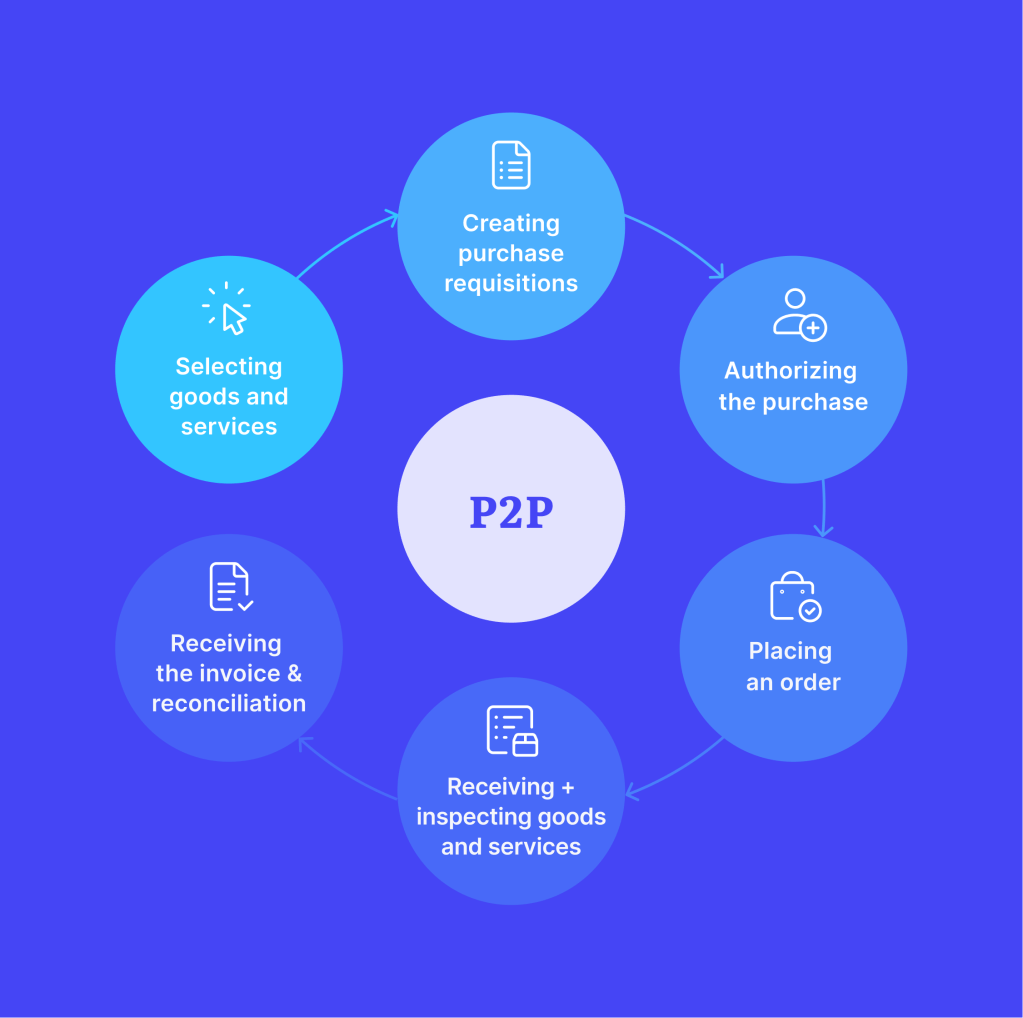
In this article, we explore the key use cases of AI in Procure-to-Pay, highlighting how AI is reshaping procurement and financial operations.
1. Intelligent Purchase Requisition Processing
AI streamlines the creation, approval, and management of purchase requisitions by:
- Automating requisition approvals based on predefined rules.
- Using natural language processing (NLP) to understand employee requests and recommend relevant suppliers.
- Identifying urgent or priority orders and routing them to the appropriate approvers.
By reducing manual intervention, AI ensures that purchase requisitions are processed faster and with higher accuracy.
2. AI-Powered Supplier Selection and Evaluation
Finding the right suppliers is a crucial step in the P2P process. AI helps procurement teams by:
- Analyzing historical supplier performance and ratings.
- Identifying potential risks by monitoring supplier behavior and financial health.
- Suggesting alternative suppliers based on cost, quality, and delivery timelines.
This results in data-driven supplier selection, reducing dependency on human intuition and enhancing procurement efficiency.
3. Automated Purchase Order (PO) Generation
AI-driven systems automate PO creation and approval by:
- Extracting information from purchase requisitions and mapping it to supplier databases.
- Auto-generating POs based on procurement patterns and past transactions.
- Enforcing policy compliance by ensuring POs align with contract terms and budgets.
Automation minimizes human errors and accelerates the procurement cycle, leading to better supplier collaboration.
4. Smart Invoice Processing and Matching
Traditional invoice processing is prone to delays, mismatches, and fraud risks. AI enhances this process through:
- Optical Character Recognition (OCR) to extract and validate invoice details.
- Three-way matching by comparing purchase orders, invoices, and goods receipts.
- Identifying duplicate invoices and fraudulent transactions to prevent financial losses.
By leveraging AI, businesses can accelerate invoice approvals and improve cash flow management.
5. Predictive Spend Analytics and Cost Optimization
AI-driven analytics provide insights into procurement trends and spending patterns by:
- Predicting future purchasing needs based on historical data.
- Identifying opportunities for bulk discounts and cost-saving strategies.
- Offering real-time dashboards for procurement managers to track expenditures.
With AI, businesses can gain greater financial control and optimize procurement budgets.
6. Fraud Detection and Risk Mitigation
AI enhances fraud detection in P2P by:
- Identifying anomalies in procurement transactions.
- Detecting unauthorized approvals and vendor fraud.
- Monitoring supplier behavior for suspicious activities.
AI-powered fraud detection helps businesses prevent financial losses and ensure regulatory compliance.
7. Contract Management and Compliance
Managing contracts manually is time-consuming and increases compliance risks. AI simplifies this by:
- Automating contract creation and renewals.
- Tracking contract adherence and alerting users about upcoming expirations.
- Ensuring compliance with procurement policies and regulatory requirements.
AI-based contract management reduces legal risks and enhances supplier relationships.
8. AI-Driven Procurement Chatbots
AI chatbots assist procurement teams and employees by:
- Answering queries about procurement policies and supplier details.
- Guiding employees through purchase requests and approvals.
- Providing real-time updates on order status and payments.
Chatbots enhance user experience and improve procurement efficiency by offering instant support.
9. Real-Time Supplier Performance Monitoring
AI monitors supplier performance based on key performance indicators (KPIs) such as:
- On-time delivery rates
- Product quality and defect rates
- Contract compliance
With AI-driven insights, procurement teams can proactively manage supplier relationships and address potential issues before they escalate.
10. Dynamic Discounting and Payment Optimization
AI helps finance teams optimize payment strategies by:
- Identifying opportunities for early-payment discounts.
- Suggesting the best payment terms based on cash flow projections.
- Automating approval workflows to speed up payments.
This ensures businesses maximize cost savings while maintaining strong supplier relationships.
Future Trends in AI for Procure-to-Pay
As AI continues to evolve, P2P processes will become even more intelligent and efficient. Key trends to watch include:
- Hyperautomation: Combining AI, robotic process automation (RPA), and blockchain for seamless procurement workflows.
- Self-learning AI models: Continuous improvement through data analysis and feedback loops.
- AI-powered negotiations: Automated supplier negotiations based on market trends and historical data.
Businesses that embrace AI-driven P2P solutions will gain a competitive advantage in procurement efficiency, cost control, and compliance management.
Conclusion
AI is revolutionizing Procure-to-Pay by automating workflows, enhancing decision-making, and improving procurement accuracy. From purchase requisitions to payment processing, AI-driven solutions help businesses reduce costs, minimize risks, and optimize supplier management. As AI technology advances, its role in procurement will continue to expand, making P2P operations more efficient and data-driven.
Organizations looking to stay ahead must leverage AI to transform their P2P processes and drive long-term success.
 TechnoAI
Leave a comment