
Enterprise architecture has traditionally been a manual, time-intensive process. Architects gather requirements from multiple sources, interpret them, create diagrams, document workflows, and align stakeholders—all while managing complexity and constant change.
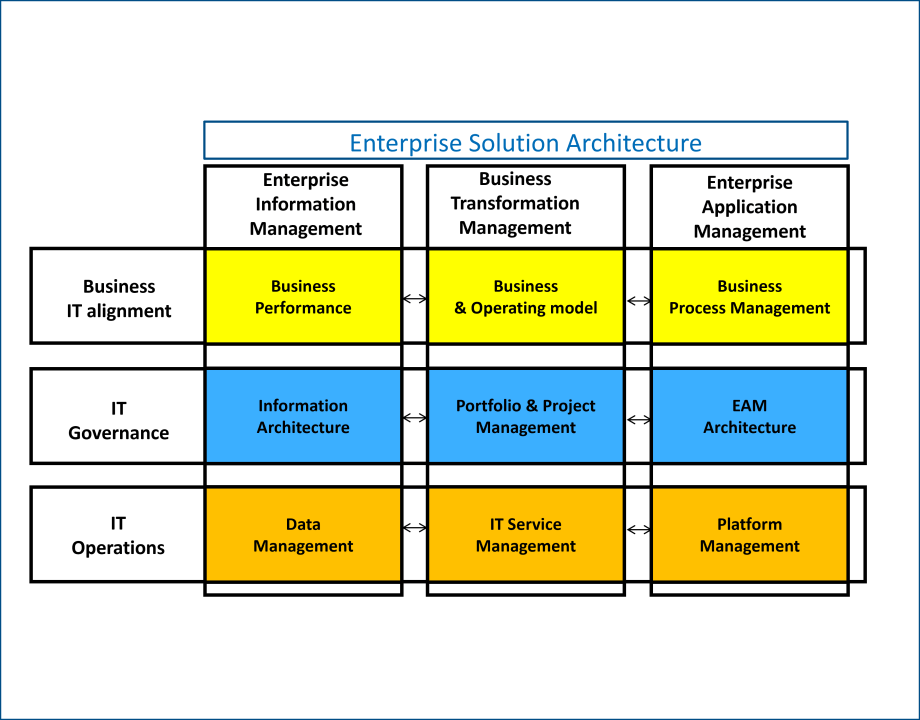
While this approach has worked in the past, it is no longer sufficient for modern enterprise environments. The scale, speed, and interconnectedness of today’s systems demand a more intelligent and automated approach.
This is where AI-Assisted Solution Architecture is reshaping the landscape. By integrating artificial intelligence into Solution Architecture Design, organizations can move from fragmented, manual processes to structured, intelligent, and scalable systems.
This article explores how AI is transforming architecture practices, the role of AI Solution Architecture Design Tools, and how enterprises can leverage these capabilities to improve efficiency, accuracy, and decision-making.
The Limitations of Traditional Architecture Practices
Traditional Solution Architecture Design relies heavily on manual effort. Architects spend significant time collecting requirements, aligning stakeholders, and creating artifacts such as diagrams and documentation.
This approach introduces several limitations:
- Fragmented inputs across documents, emails, and tools
- Inconsistent outputs due to varying design practices
- Limited traceability between requirements and architecture
- Manual Architecture Diagram Generation prone to errors
- Static documentation that quickly becomes outdated
These challenges make it difficult to maintain consistency and scalability, especially in large enterprise environments.
As complexity increases, the need for automation and intelligence becomes critical.
What is AI-Assisted Solution Architecture?
AI-Assisted Solution Architecture refers to the use of artificial intelligence to support and enhance the architecture design process. It involves leveraging AI to analyze inputs, generate structured outputs, and automate repetitive tasks.
An AI-driven Solution Architecture Platform can:
- Interpret and structure requirements
- Assist in Technical Architecture Design
- Automate Architecture Diagram Generation
- Enable Architecture Documentation Automation
- Generate comprehensive Solution Architecture Blueprints
Rather than replacing architects, AI augments their capabilities, allowing them to focus on strategic decision-making while automation handles routine tasks.
From Fragmentation to Intelligent Structuring
One of the biggest advantages of AI in architecture is its ability to eliminate fragmentation. AI systems can ingest data from multiple sources and convert it into structured inputs for Solution Architecture Design.
For example, requirements collected from documents, spreadsheets, and collaboration tools can be analyzed and organized into a unified format. This ensures consistency and reduces the risk of misinterpretation.
AI also enables structured Solution Requirements Management by identifying relationships between requirements and mapping them to architecture components.
This transformation from fragmented inputs to structured data is a key step in improving architecture quality and scalability.
Automating Solution Requirements Management
Solution Requirements Management is often one of the most challenging aspects of architecture design. Requirements are frequently incomplete, ambiguous, or inconsistent.
AI can significantly improve this process by:
- Extracting key information from unstructured inputs
- Identifying gaps and inconsistencies
- Categorizing and prioritizing requirements
- Mapping requirements to system components
This ensures that all requirements are captured accurately and aligned with the architecture design.
By automating these tasks, AI reduces manual effort and improves the reliability of inputs used in Technical Architecture Design.
AI-Driven Technical Architecture Design
Technical Architecture Design involves defining system components, interactions, and dependencies. This process requires a deep understanding of both business requirements and technical constraints.
AI enhances this process by providing insights and recommendations based on data and patterns. An AI Architecture Design Tool can:
- Suggest architecture patterns based on use cases
- Identify potential risks and dependencies
- Recommend technology stacks and integration approaches
- Validate design decisions against best practices
These capabilities enable architects to make more informed decisions and design systems that are both efficient and scalable.
AI-assisted Technical Architecture Blueprint generation further ensures that designs are comprehensive and aligned with requirements.
Intelligent Architecture Diagram Generation
Architecture diagrams are essential for visualizing system design, but manual creation often leads to inconsistencies and outdated representations.
AI-powered Architecture Diagram Generation addresses these challenges by automatically generating diagrams based on structured inputs. This ensures that diagrams are:
- Consistent across the organization
- Aligned with the underlying architecture model
- Updated dynamically as changes occur
This not only improves accuracy but also enhances communication between stakeholders.
An Architecture Collaboration Platform integrated with AI capabilities enables teams to review and refine diagrams in real time, improving alignment and decision-making.
Architecture Documentation Automation
Documentation is a critical component of Solution Architecture, but it is often overlooked due to the effort required to maintain it.
AI-driven Architecture Documentation Automation ensures that documentation is generated and updated automatically. This includes:
- System overviews and component descriptions
- Integration workflows and data flows
- Dependency mappings
- Technical specifications
By keeping documentation aligned with the architecture design, organizations can reduce knowledge gaps and improve operational efficiency.
This also ensures that the Solution Architecture Blueprint remains accurate and reliable throughout the system lifecycle.
Enhancing Traceability and Governance
Traceability is essential for understanding how requirements are translated into architecture design and implementation. In traditional environments, this traceability is often limited or nonexistent.
AI improves traceability by linking requirements, design elements, and documentation. This creates a clear audit trail that can be used for governance and compliance.
A structured Solution Architecture Platform enables organizations to:
- Track changes across the architecture lifecycle
- Ensure compliance with standards and policies
- Validate architecture decisions against requirements
This level of transparency is particularly important for enterprises operating in regulated industries.
Improving Collaboration Across Stakeholders
Architecture design involves multiple stakeholders, including architects, developers, business analysts, and decision-makers. Effective collaboration is critical for success.
AI-powered Architecture Collaboration Platforms facilitate collaboration by providing a shared environment for design and decision-making.
These platforms enable:
- Real-time updates and feedback
- Centralized access to architecture artifacts
- Consistent communication across teams
By improving collaboration, organizations can reduce delays and ensure that architecture decisions are aligned with business goals.
Accelerating Architecture Blueprint Generation
One of the most significant benefits of AI is its ability to accelerate Architecture Blueprint Generation. Traditional processes can take weeks or even months to produce comprehensive architecture documentation.
AI can generate a Technical Architecture Blueprint in a fraction of the time by automating key tasks and ensuring consistency across outputs.
This enables organizations to:
- Reduce time-to-design
- Accelerate project timelines
- Respond quickly to changing requirements
Faster blueprint generation also allows for more iterations, enabling continuous improvement of architecture design.
Reducing Errors and Improving Consistency
Manual architecture processes are prone to errors, particularly in complex systems with multiple dependencies. These errors can lead to costly rework and delays.
AI reduces errors by:
- Ensuring consistency across architecture artifacts
- Identifying potential issues early in the design process
- Automating repetitive tasks with precision
This improves the overall quality of Solution Architecture Design and reduces the risk of implementation issues.
Consistency is particularly important for large organizations, where multiple teams work on different parts of the system.
Supporting Scalable and Future-Ready Systems
AI-Assisted Solution Architecture enables organizations to design systems that are scalable and adaptable to future needs.
By analyzing patterns and trends, AI can provide insights into how systems should evolve over time. This enables architects to design systems that can handle growth and change.
Structured Solution Architecture Design combined with AI capabilities ensures that systems are not only efficient today but also prepared for future challenges.
Real-World Applications of AI in Architecture
Enterprises across industries are adopting AI-assisted architecture to improve efficiency and scalability.
For example:
- Financial institutions use AI to design systems that handle high transaction volumes while ensuring compliance
- Healthcare organizations leverage AI to integrate data across systems and improve patient care
- Retail companies use AI to design scalable e-commerce platforms
These applications demonstrate the versatility and impact of AI in Solution Architecture Design.
Challenges and Considerations
While AI offers significant benefits, organizations must also consider certain challenges:
- Ensuring data quality for accurate AI outputs
- Managing change and adoption across teams
- Integrating AI tools with existing systems
- Maintaining human oversight and decision-making
A balanced approach that combines AI capabilities with human expertise is essential for success.
The Future of AI in Solution Architecture
The future of Solution Architecture lies in the integration of AI and structured design methodologies. As AI technologies continue to evolve, their capabilities will expand, enabling even more advanced architecture solutions.
Future trends include:
- Predictive architecture design
- Automated optimization of system performance
- Enhanced collaboration through intelligent platforms
- Continuous architecture evolution driven by AI insights
Organizations that embrace these advancements will be better positioned to navigate complexity and drive innovation.
Conclusion
AI-Assisted Solution Architecture is transforming the way enterprises design and manage systems. By combining intelligence with automation, organizations can overcome the limitations of traditional architecture practices.
From Solution Requirements Management to Technical Architecture Design, Architecture Diagram Generation, and Architecture Documentation Automation, AI enhances every stage of the architecture lifecycle.
A structured Solution Architecture Platform powered by AI enables organizations to eliminate fragmentation, improve consistency, and accelerate design processes.
As enterprises continue to evolve, adopting AI-Assisted Solution Architecture will be essential for building scalable, resilient, and future-ready systems.
 TechnoAI
Leave a comment